
When you see a picture of a street in Japan laden with traditional wooden houses, you might immediately think the photo was taken in Kyoto.
And in most cases, you’d be correct. Kyoto is indeed the most popular place in Japan for such vibes. Except… something feels a little different, you’ll notice that this specific old town is located in the mountains.
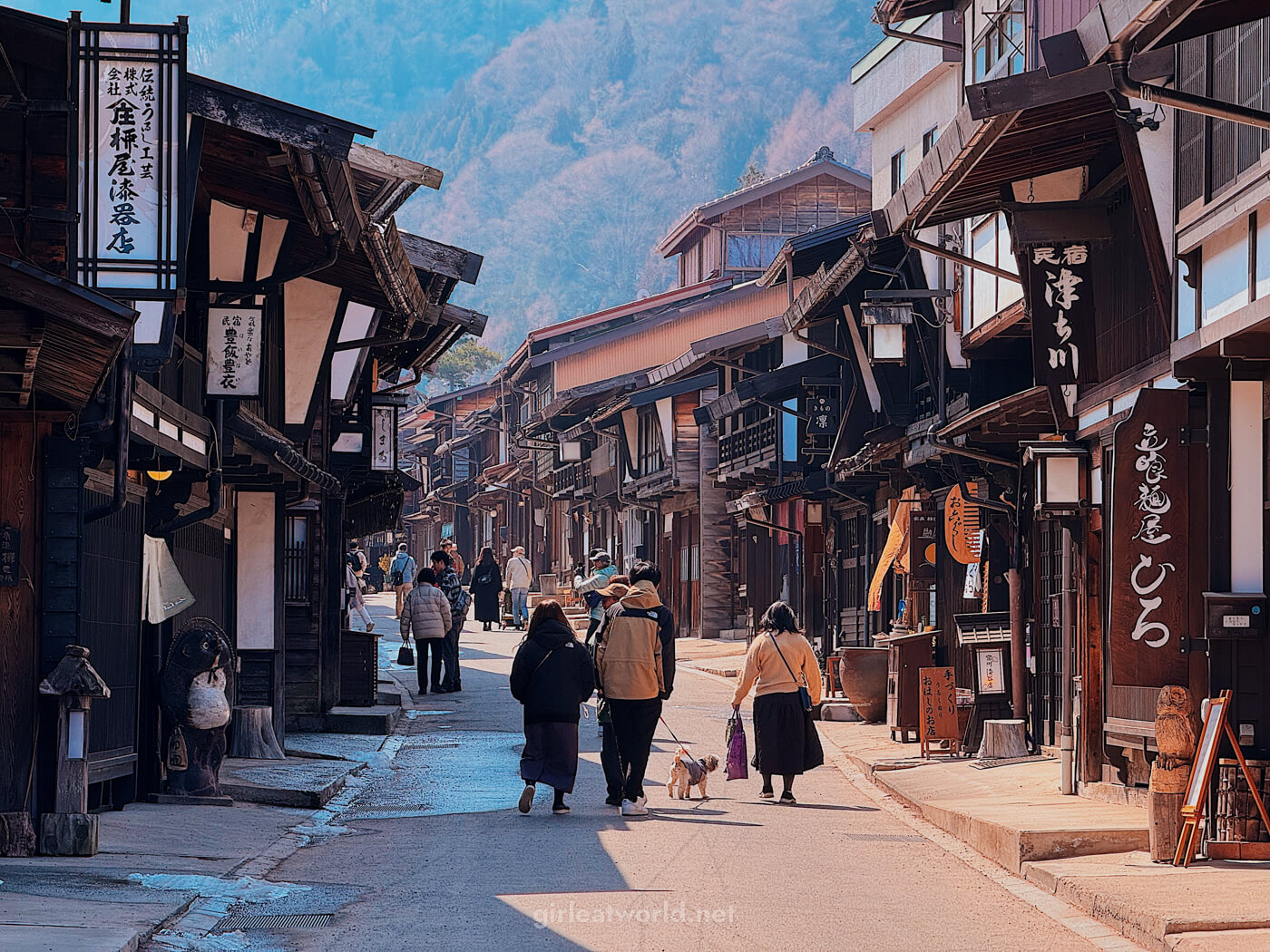
This, my friend, is Narai-juku. A beautifully preserved post town in Kiso Valley, which used to serve as one of the 69 rest stops for travelers along the historic Nakasendo trail, a 534-km route connecting Edo (Now Tokyo) and Kyoto.
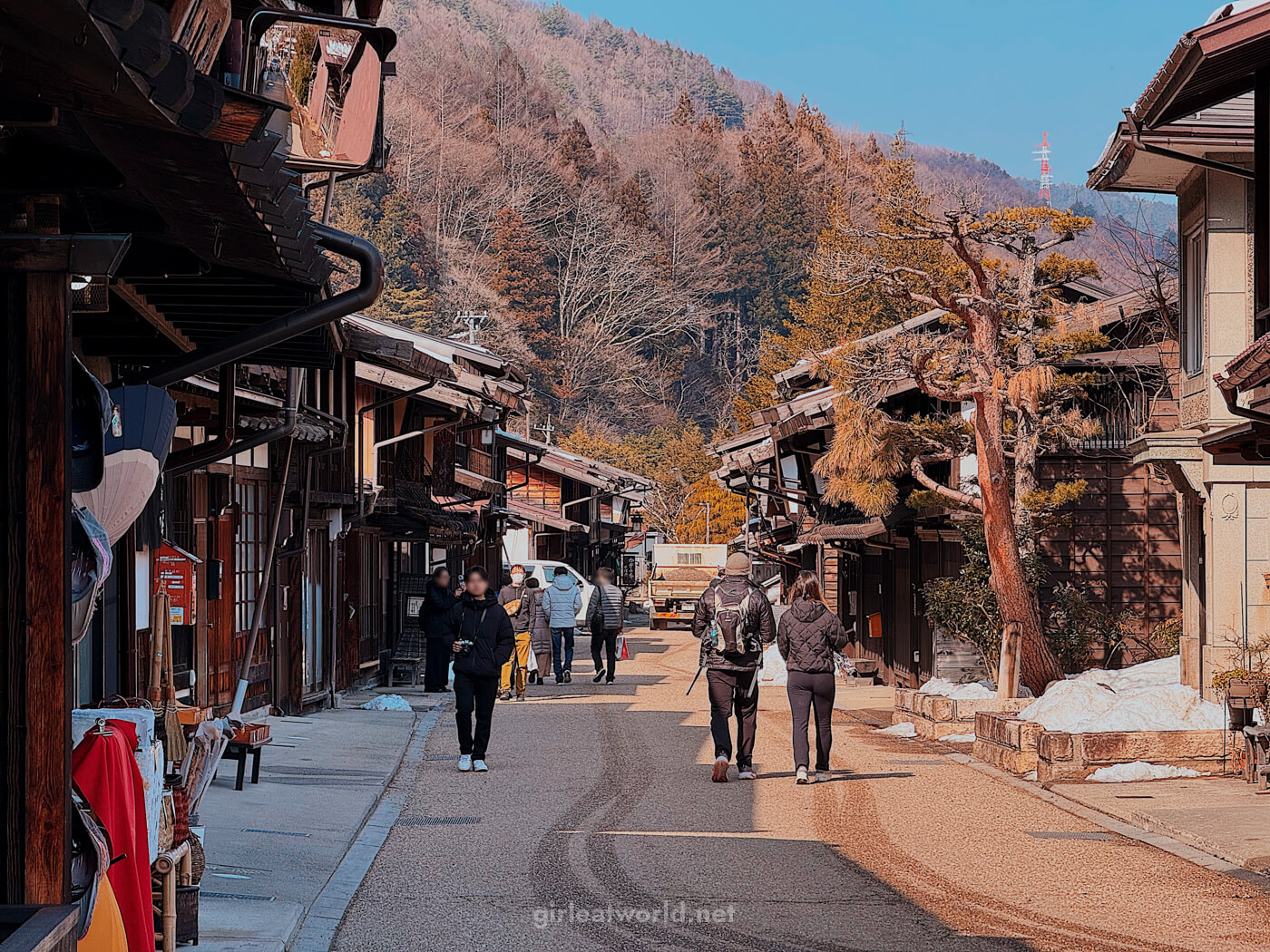
Narai-juku sits at around 950m above sea level, giving it a very different backdrop compared to the streets in Kyoto.
How to get to Narai-juku
The closest big city from Narai-juku is Matsumoto. From Matsumoto station, take the JR Shironoi line to Narai station. It takes about 50 minutes to get there.
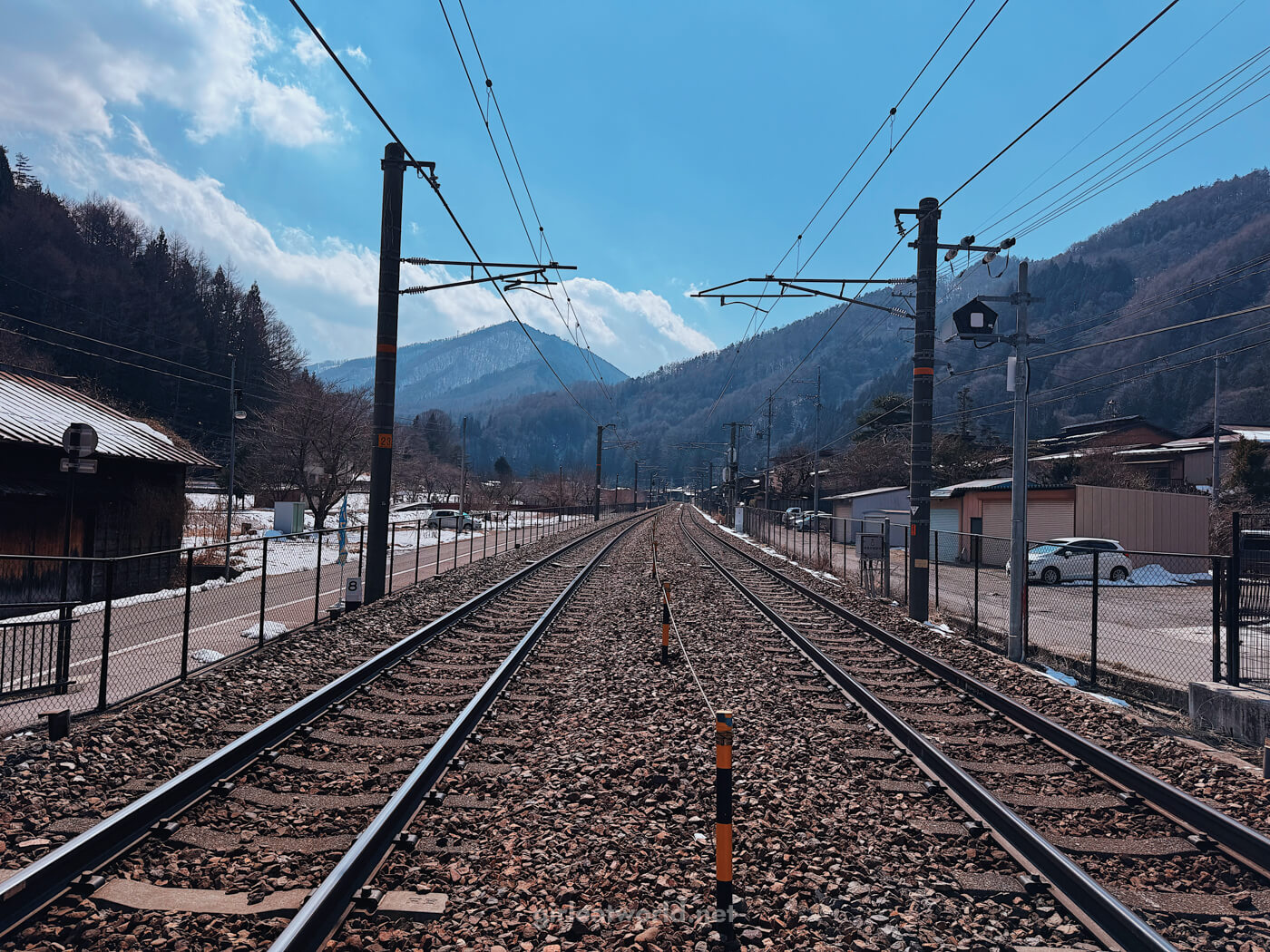
I have to admit, Narai-juku is not easy to get to as a single destination. Usually, visitors come here as part of a bigger itinerary. For example, I have a 5-days Nagano prefecture Itinerary which would be perfect to slot in Narai-juku as one of the activities while you’re in Matsumoto. Others might make Narai-juku a stop while they’re walking along the Nakasendo trail. Another way is to drive from Nagano (the city), which would take around 2 hours.
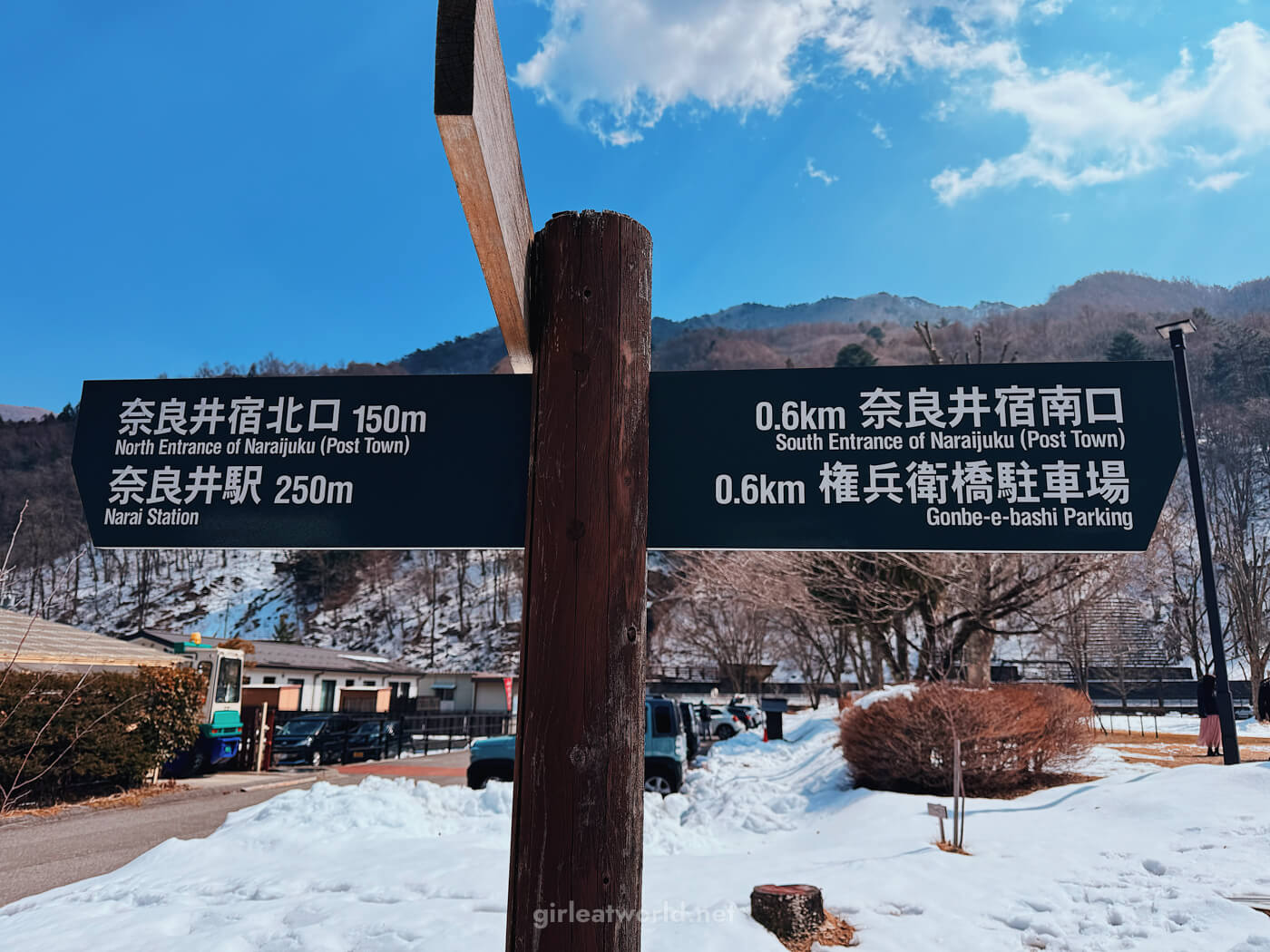
But once you get near Narai-juku, there are many signs in English so you won’t get lost.
When is the best time to visit Narai-juku?
While I think Narai-juku is great to visit all year round, the most remarkable time would be during Autumn. The leaves you see in the backdrop would have turned a beautiful array of autumn color, making a visit to Narai-juku extra special. Given the elevation of Narai-juku, this typically would be around mid-October to early November. Unless it’s an especially cold or warm year – so pay attention to the fall foliage forecast.
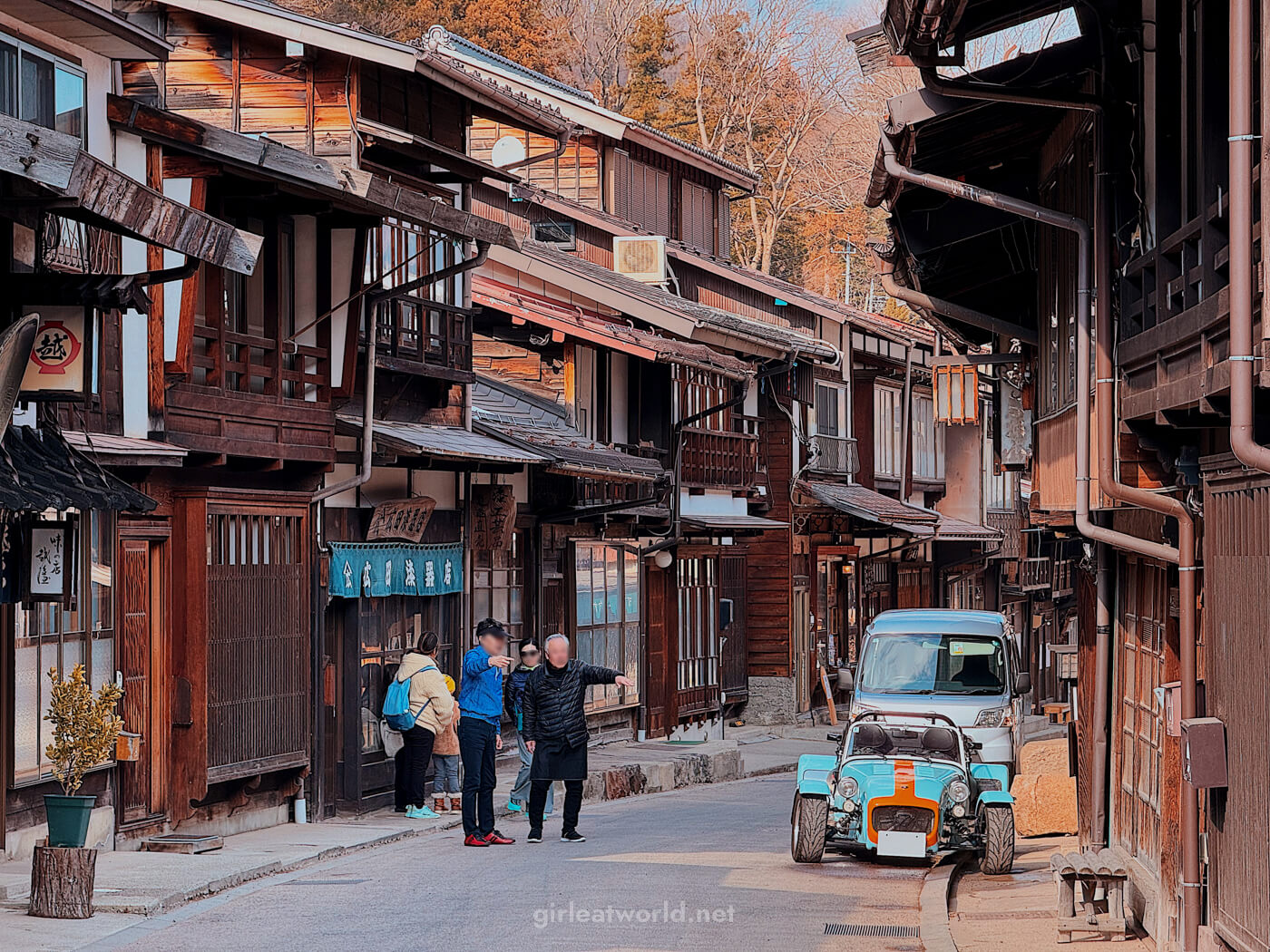
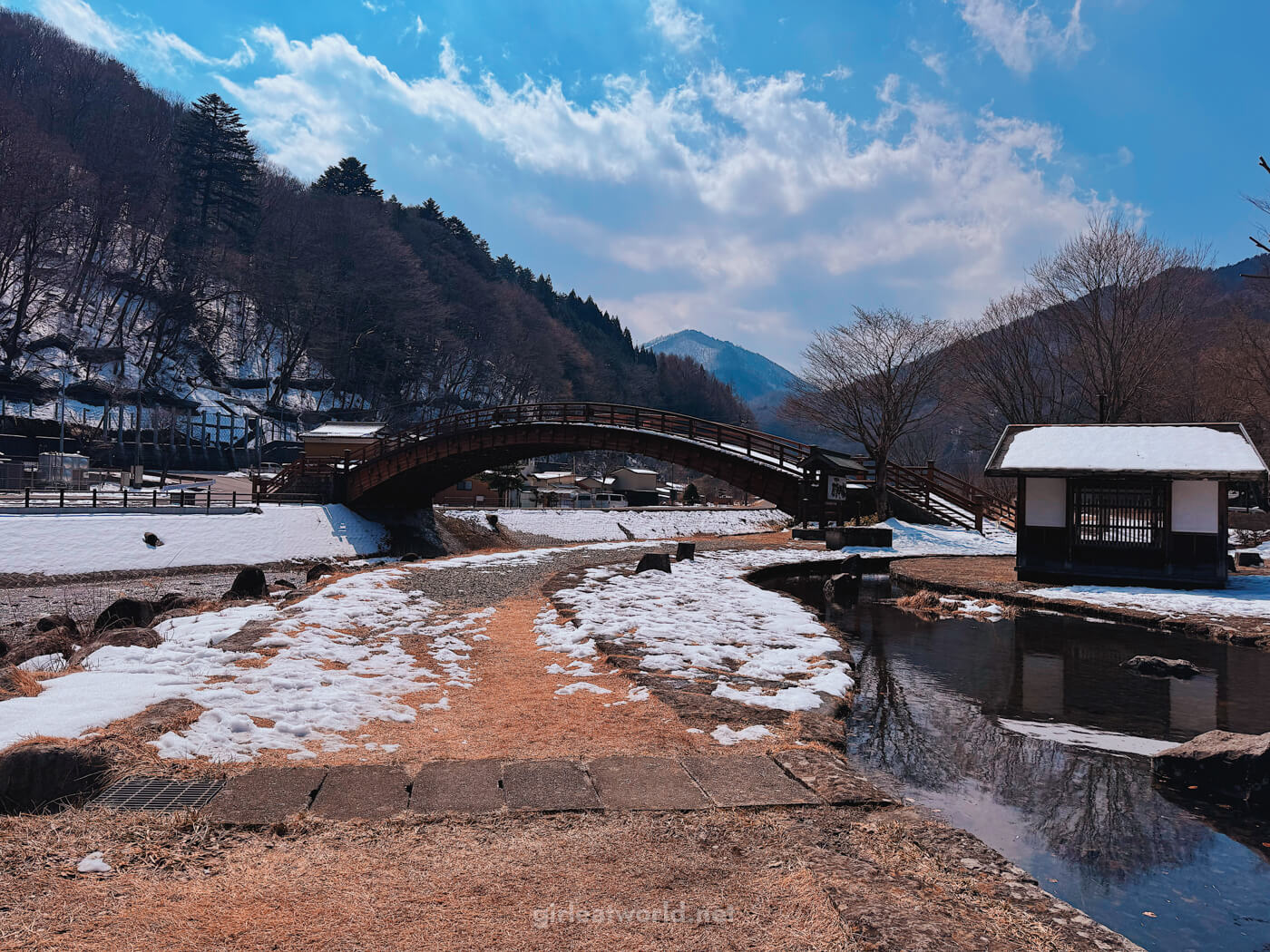
That said, we visited on the last week of March and it was still a perfect visit! At that time, the area was having an unusually cold spell and it snowed two days before, so we even got to see snow on the street during our visit.
How long can you expect to stay in Narai-juku?
Narai-juku is a perfect half-day trip from Matsumoto. As the area covers only 1km of the Nakasendo Trail, you can really see everything it has to offer in under 4 hours. We arrived around 11AM then left at 2:30PM, so it took us 3 hours to visit the place, which includes having lunch.
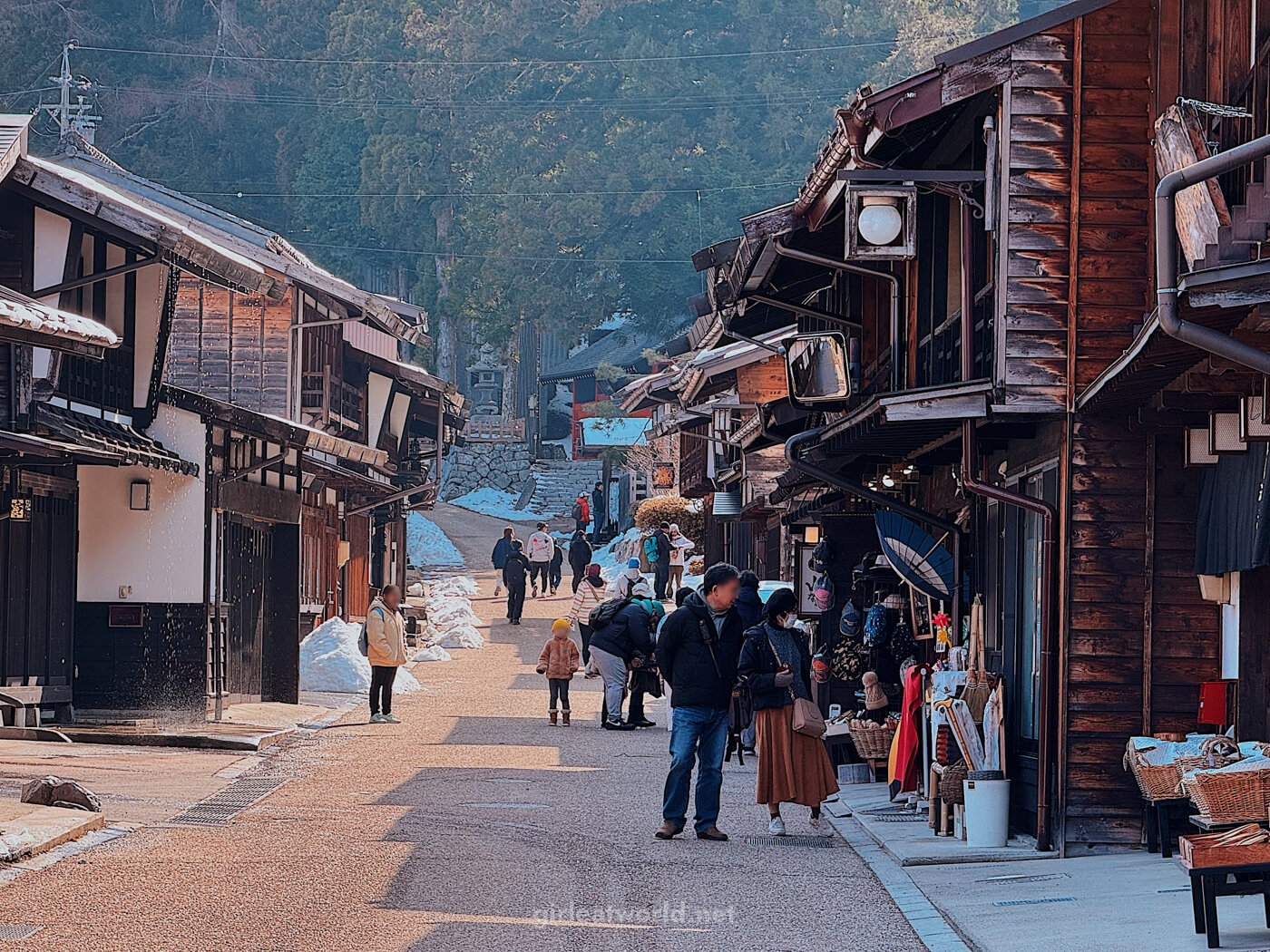
I don’t really recommend staying overnight here, unless you have baked it into your itinerary.
Is visiting Narai-juku worth it?
For me, it was absolutely worth it but with a caveat. We were actually already nearby, in an area called Yatsugatake, which was only about an hour drive away from Narai-juku.
I have been visiting Japan almost every year for the past decade, but I still think Narai-juku is unique. Especially with how overly-touristed Kyoto has become these days. I’m not saying Narai-juku is a hidden gem, in fact it’s quite well known by domestic tourists, but finding such peace and calm in Kyoto is unlikely.
However, if you’re coming from Tokyo – I honestly don’t think it’s worth making your way out here just to visit Narai-juku. It will take around 3.5 hours on the train to get to Narai-juku from Shinjuku. There are so many easy day trips you can do from Tokyo, and I believe this would be the better use of your time.
It’s best to combine Narai-juku with other places, such as the places I mentioned in my 5-days Nagano Itinerary (specifically Matsumoto).
What to see and do in Narai-juku
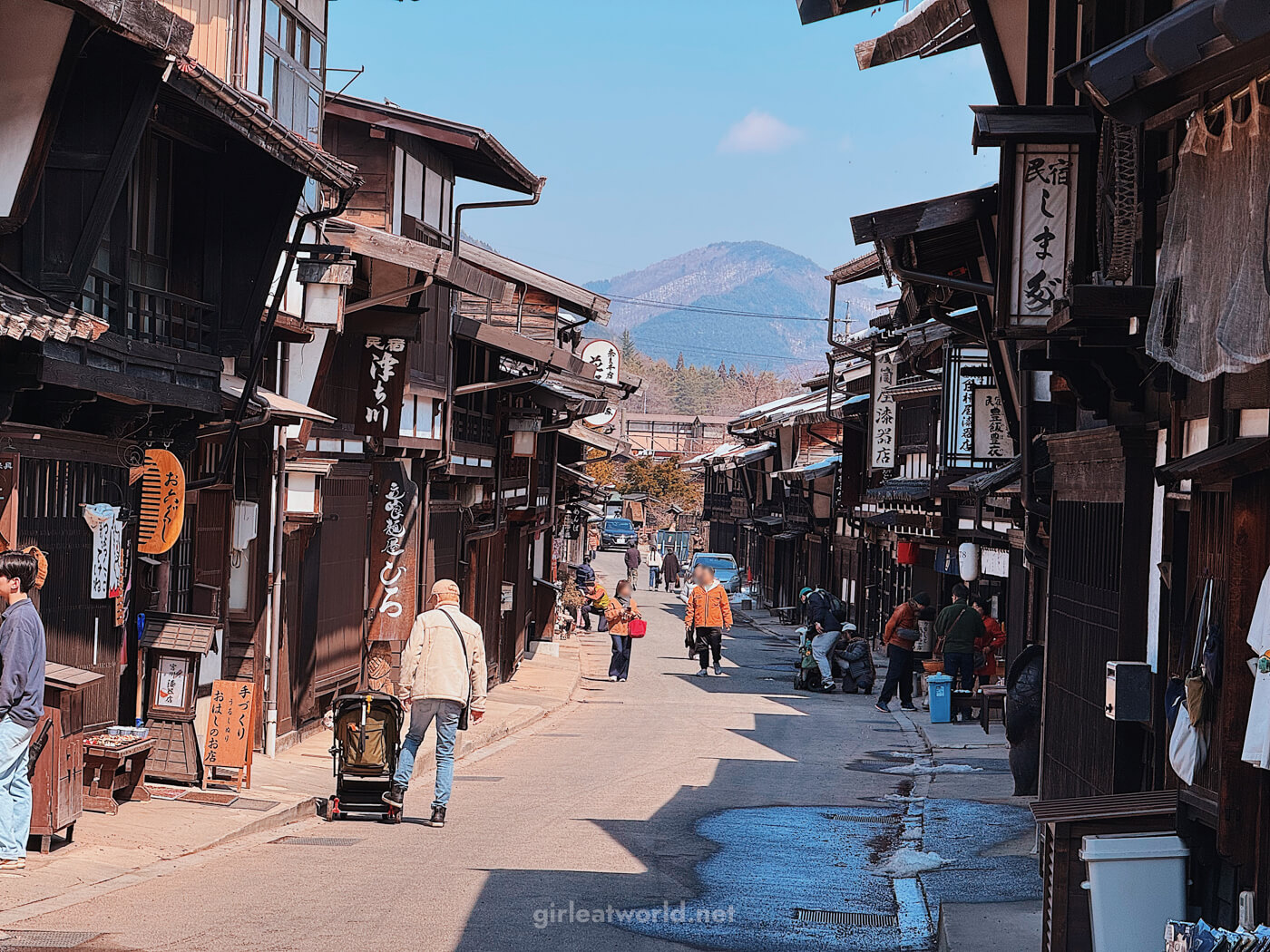
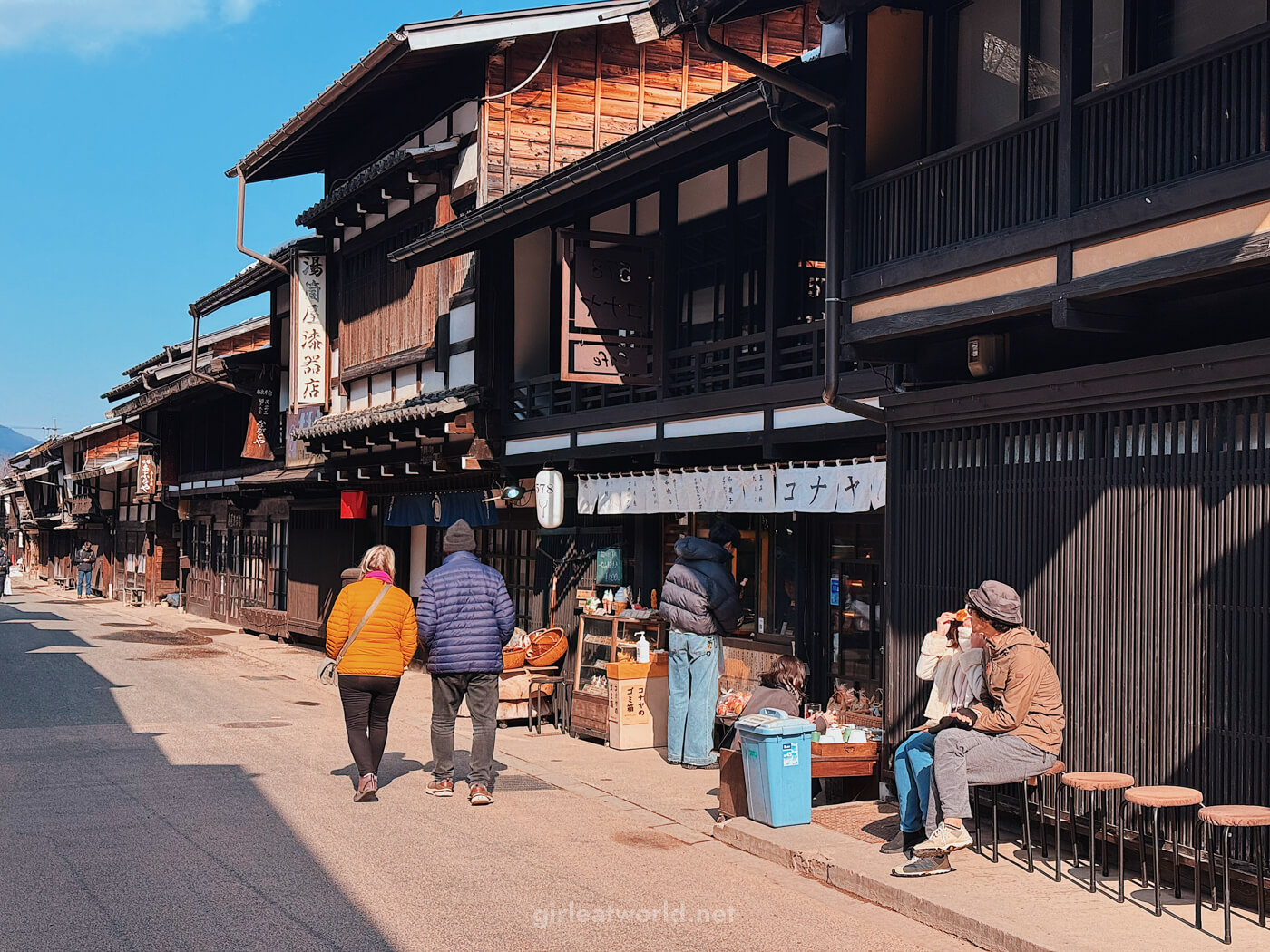
Narai-juku is basically just a one 1-km long street on the Old Nakasendo road. But of course, it’s special because the entire road is lined up with beautiful preserved Edo-period houses.
At the train station, you will be able to find a map of the 1km north-south stretch of Narai-juku.
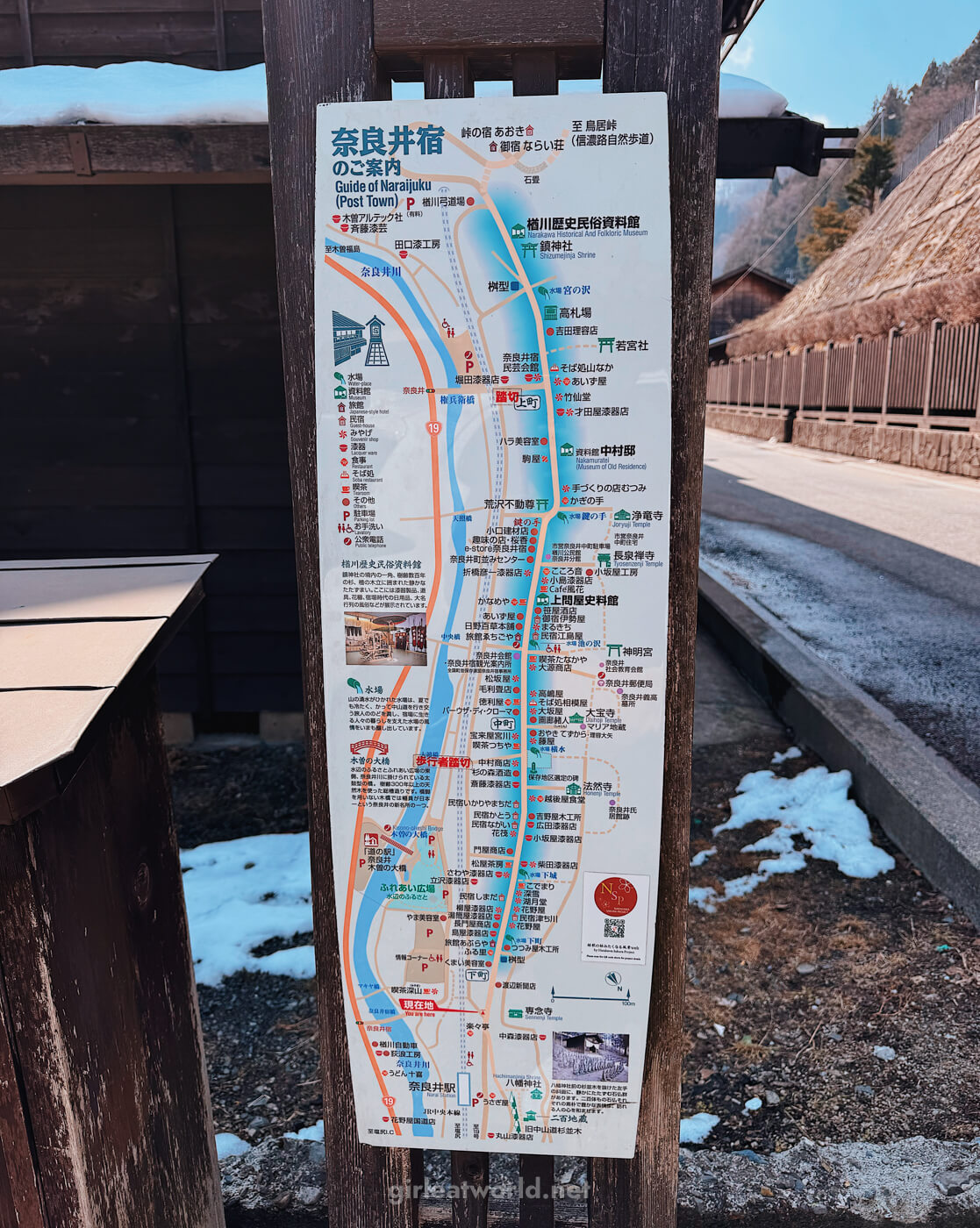
During our visit, we went from North to South, which makes the most sense since the Narai station is located on the north end of the town.
About five minutes walk from Narai station, you’ll be able to see Kiso Bridge (Kiso-no-ohashi), an arching wooden bridge made from cypress wood.
The Edo-period houses that lines the street of Narai-juku now house businesses. Usually, it’s a small cafe selling sweets, or a small restaurant.
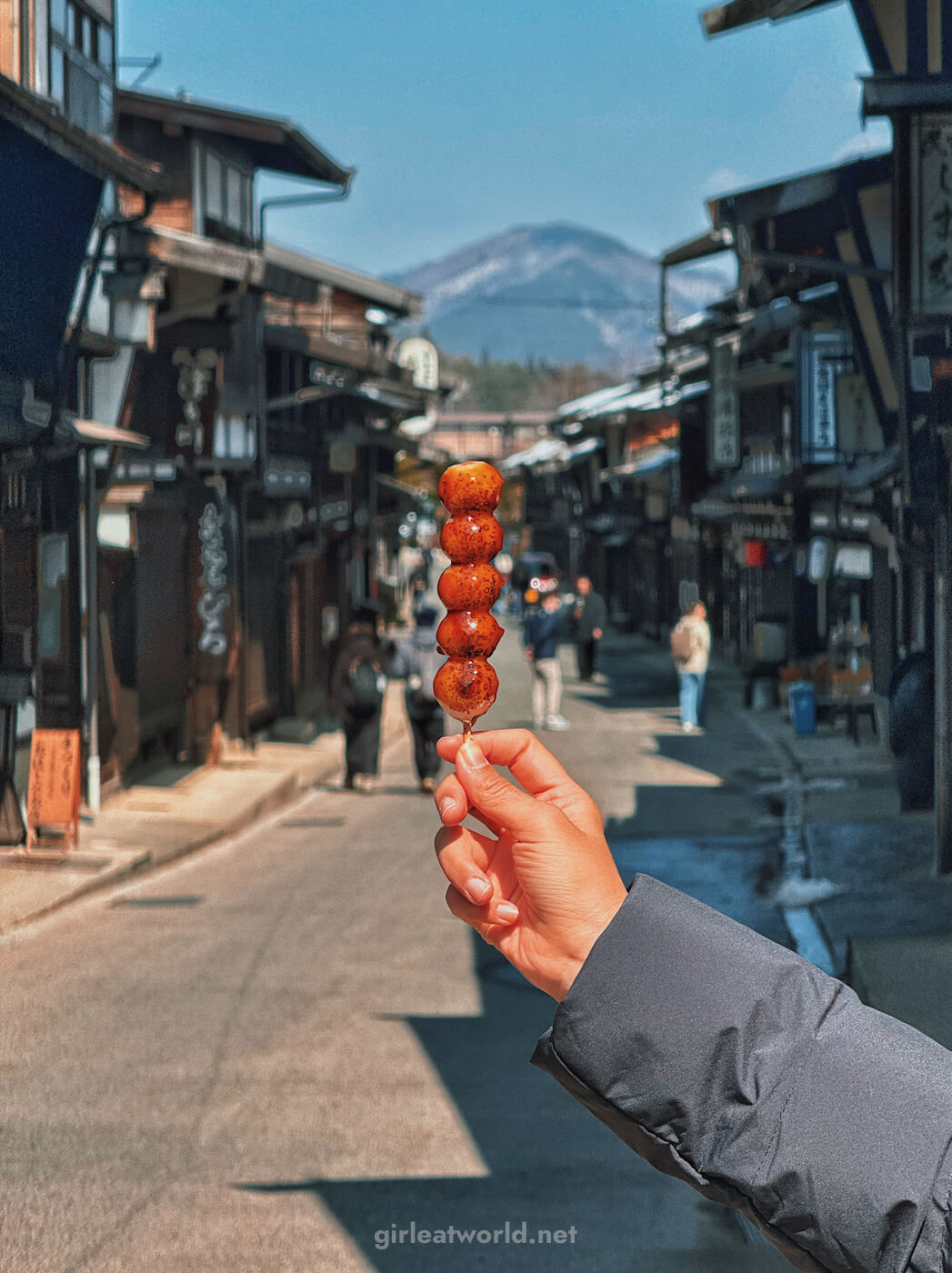
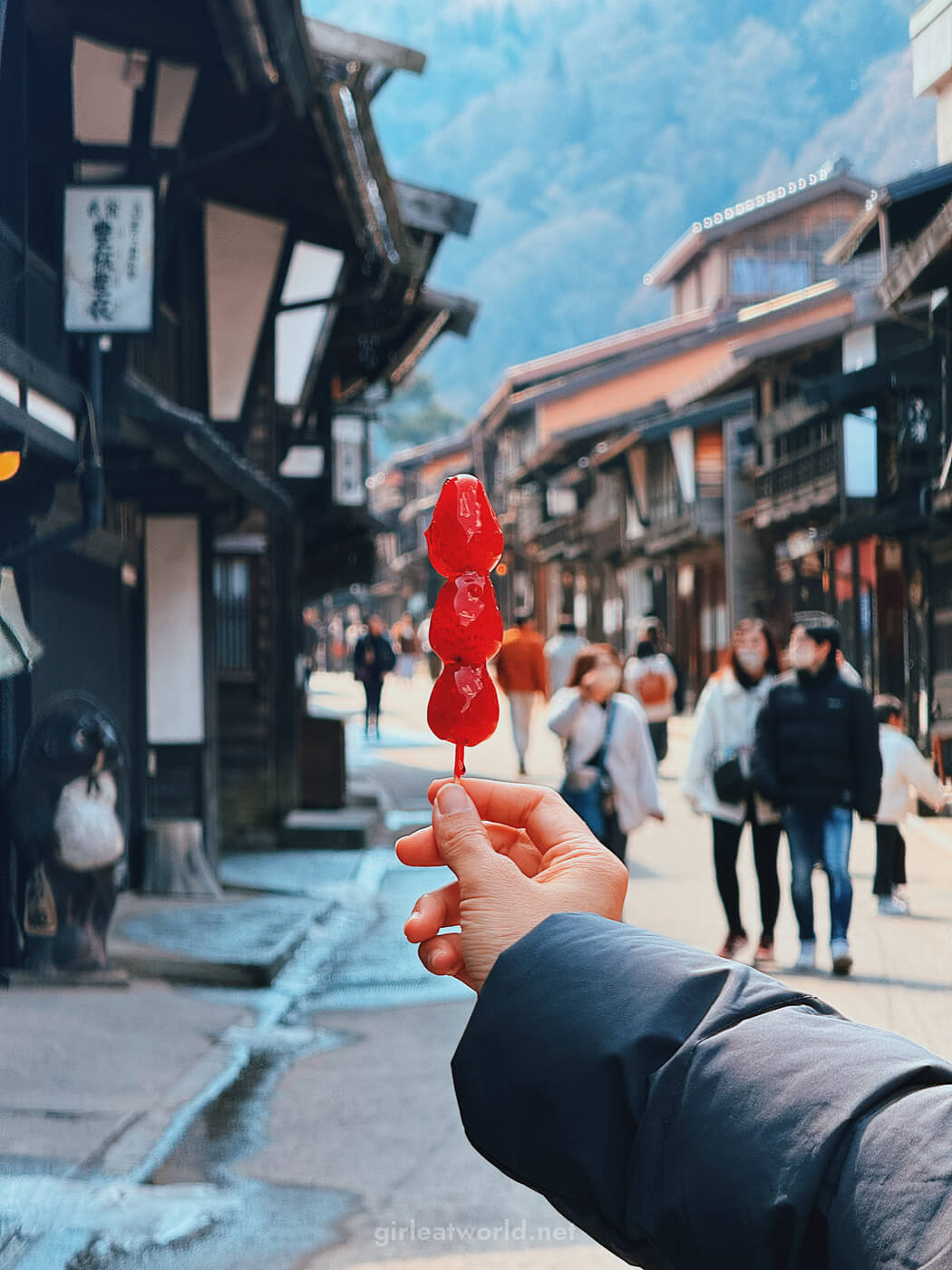
I tried some Japanese dango 🍡 (grilled rice cake) along the way, which was the perfect snack for a cold day. It was grilled fresh and served warm. I also bought a skewered candied strawberries, which isn’t really traditionally Japanese but looked so good, I had to try it.
Aside from cafes and restaurants, there are also souvenir shops in Narai-juku. They tend to be located more on the southern part of the trail, closer to the Torii pass. I saw a shop that exclusively sells chopsticks!
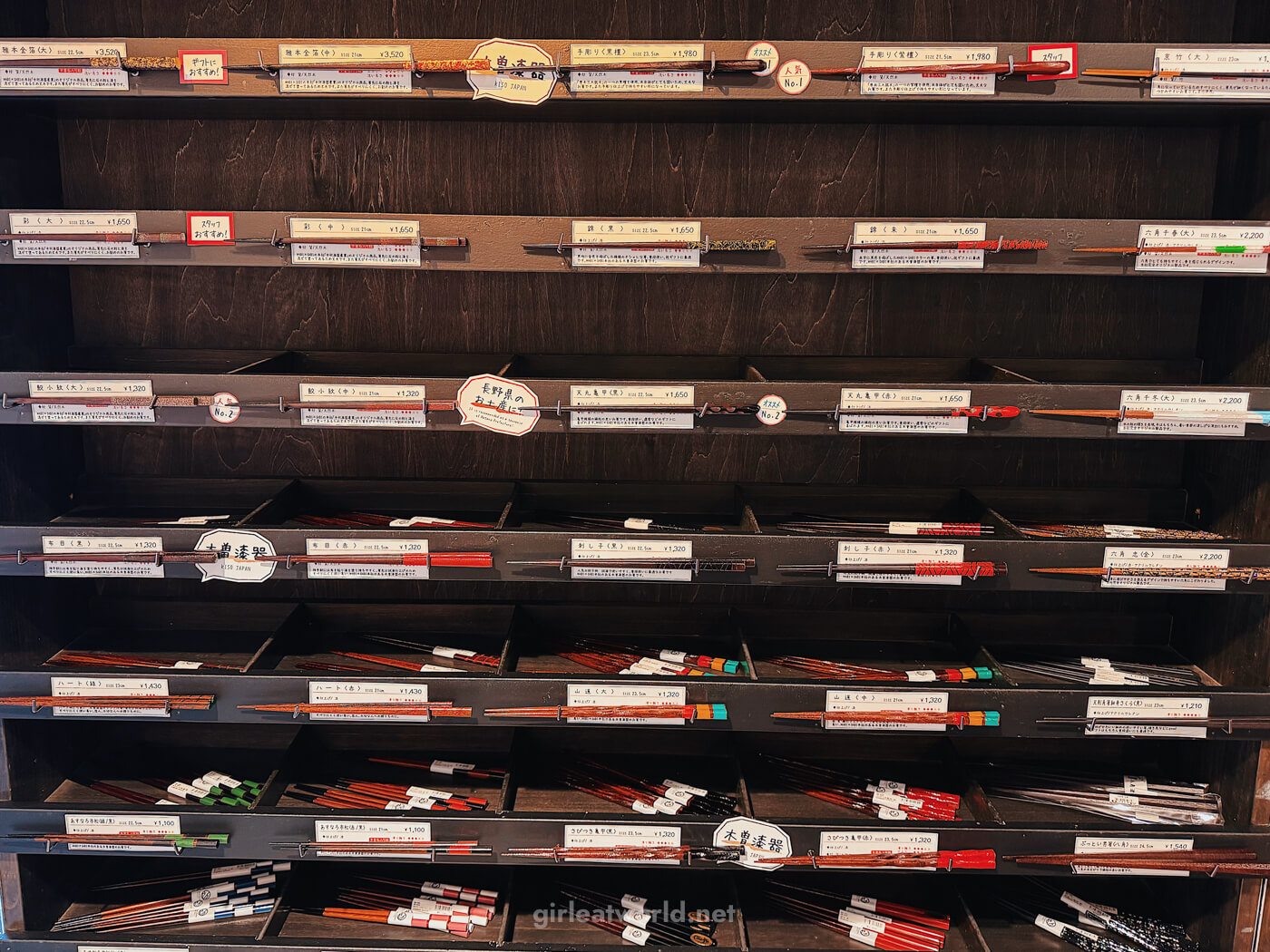
But really, visiting Narai-juku is about slow strolls while admiring the Edo-style preserved houses. I took so many photos, and I really want to show them off, so here they are 🙂
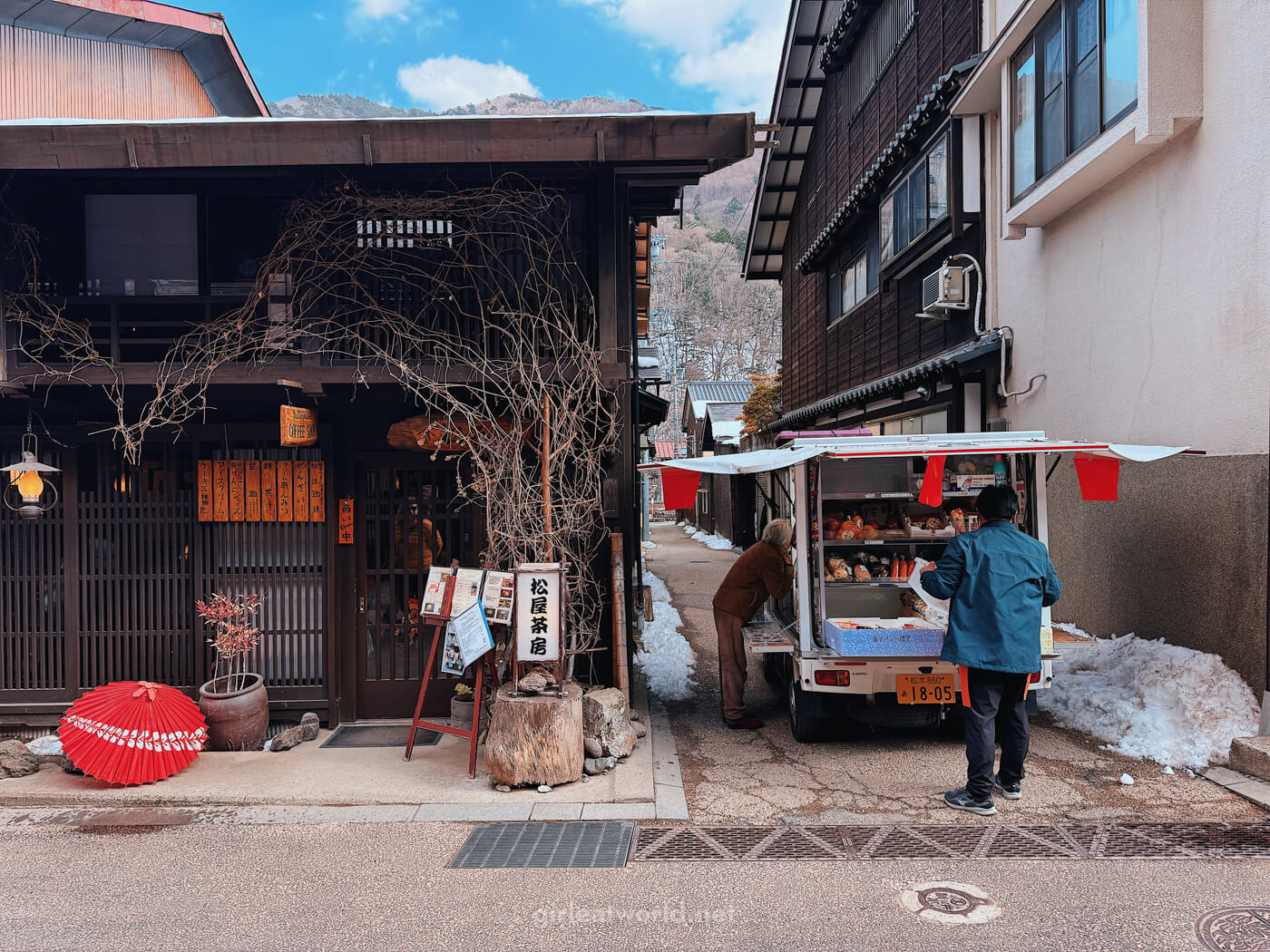
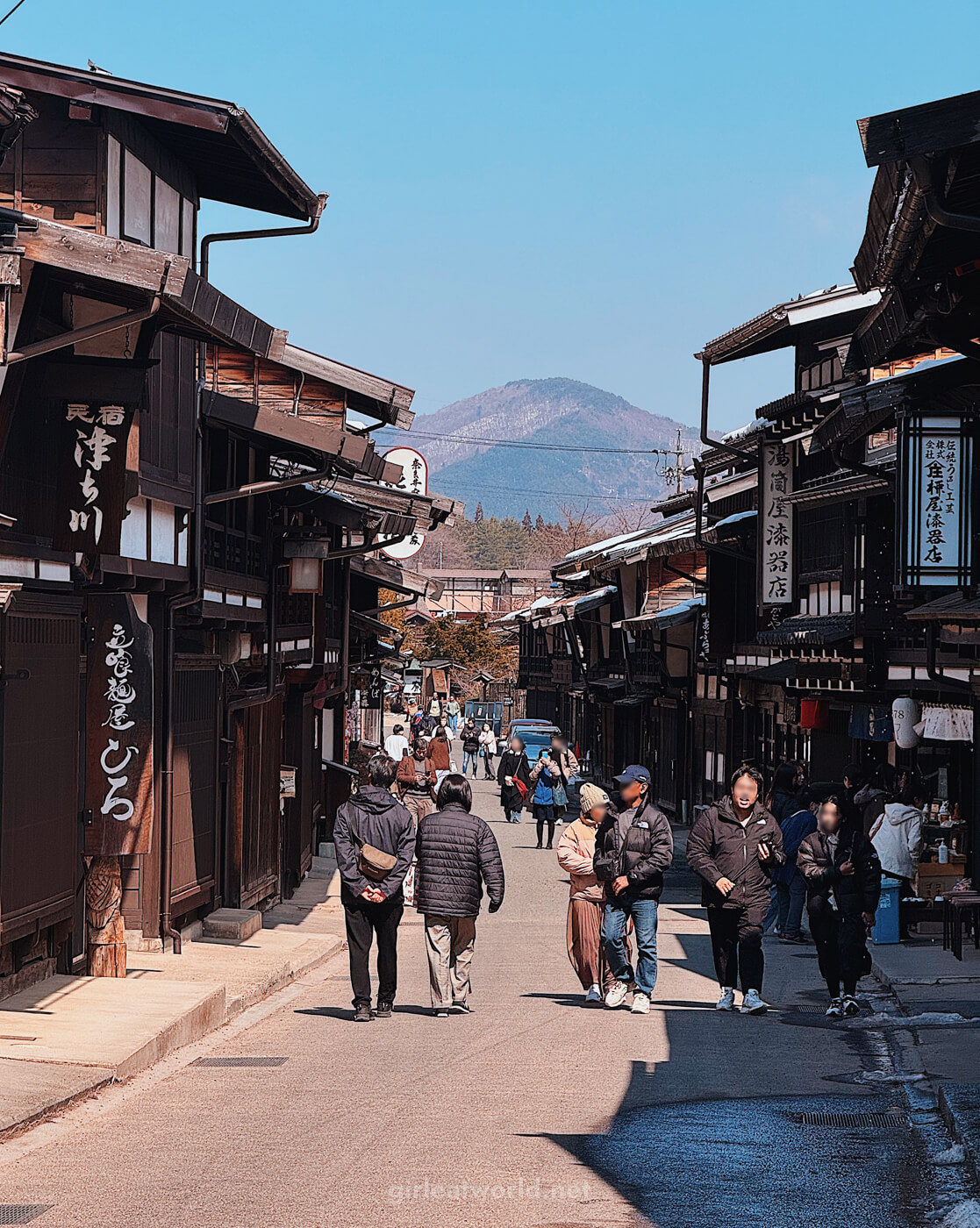
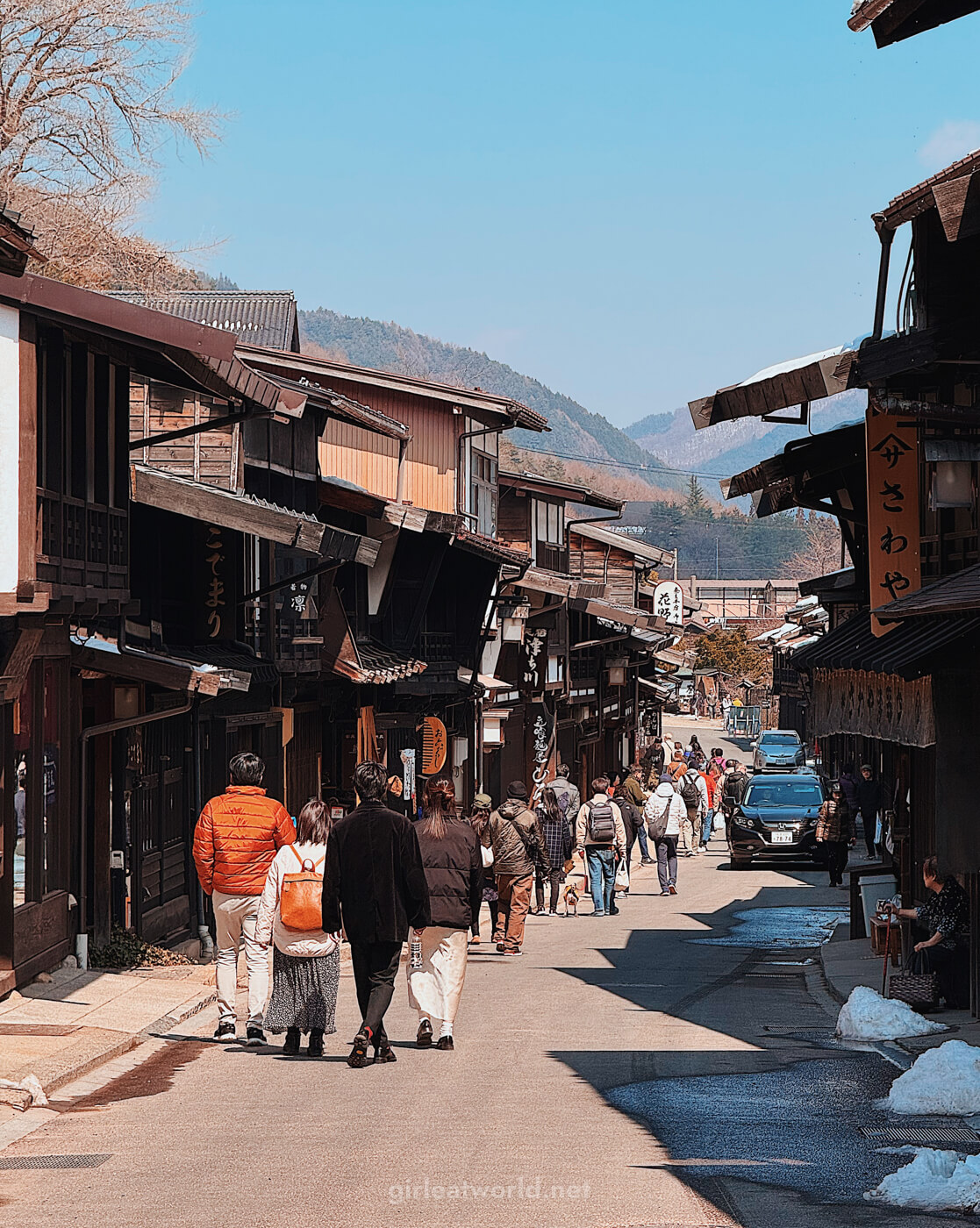
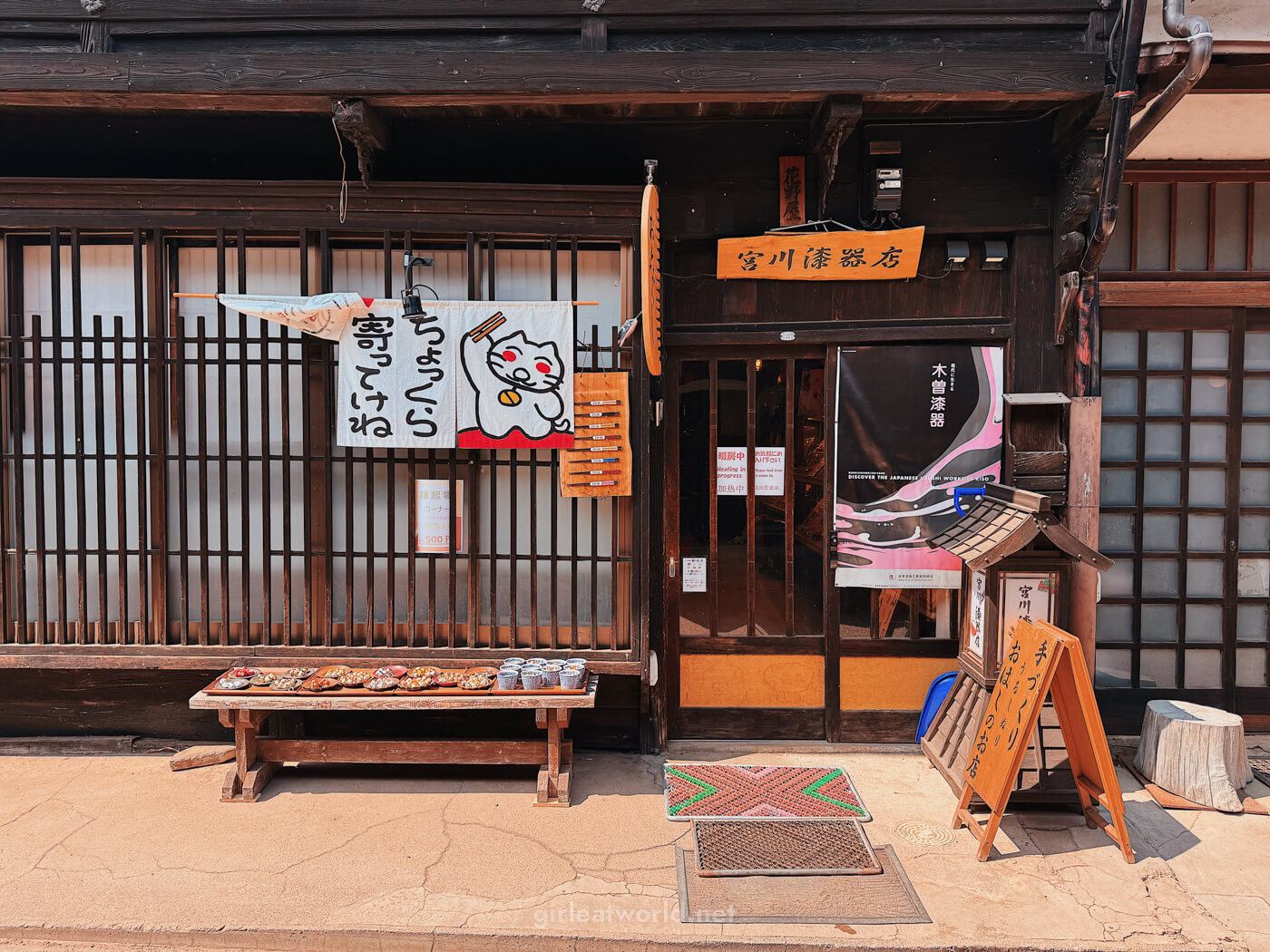
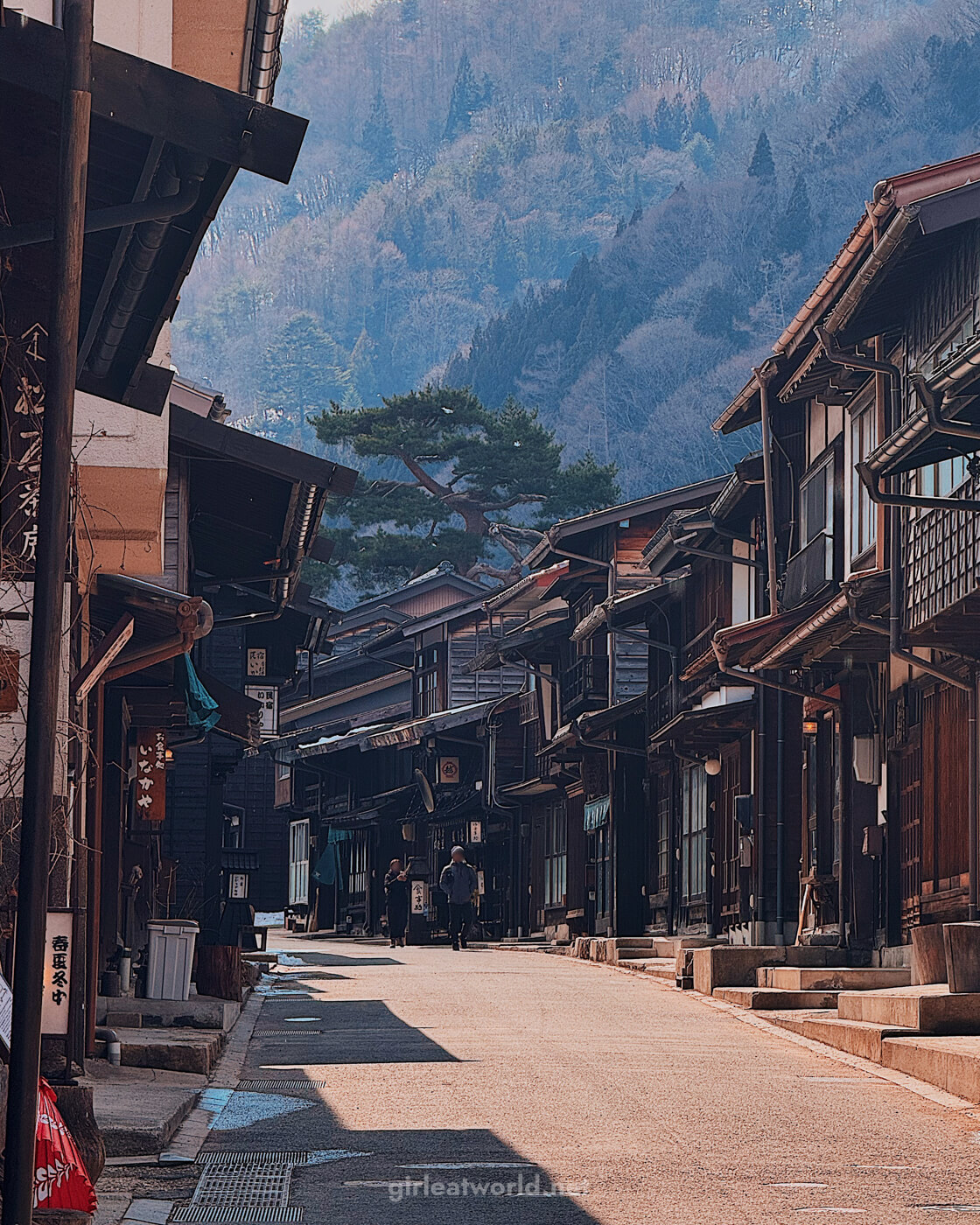
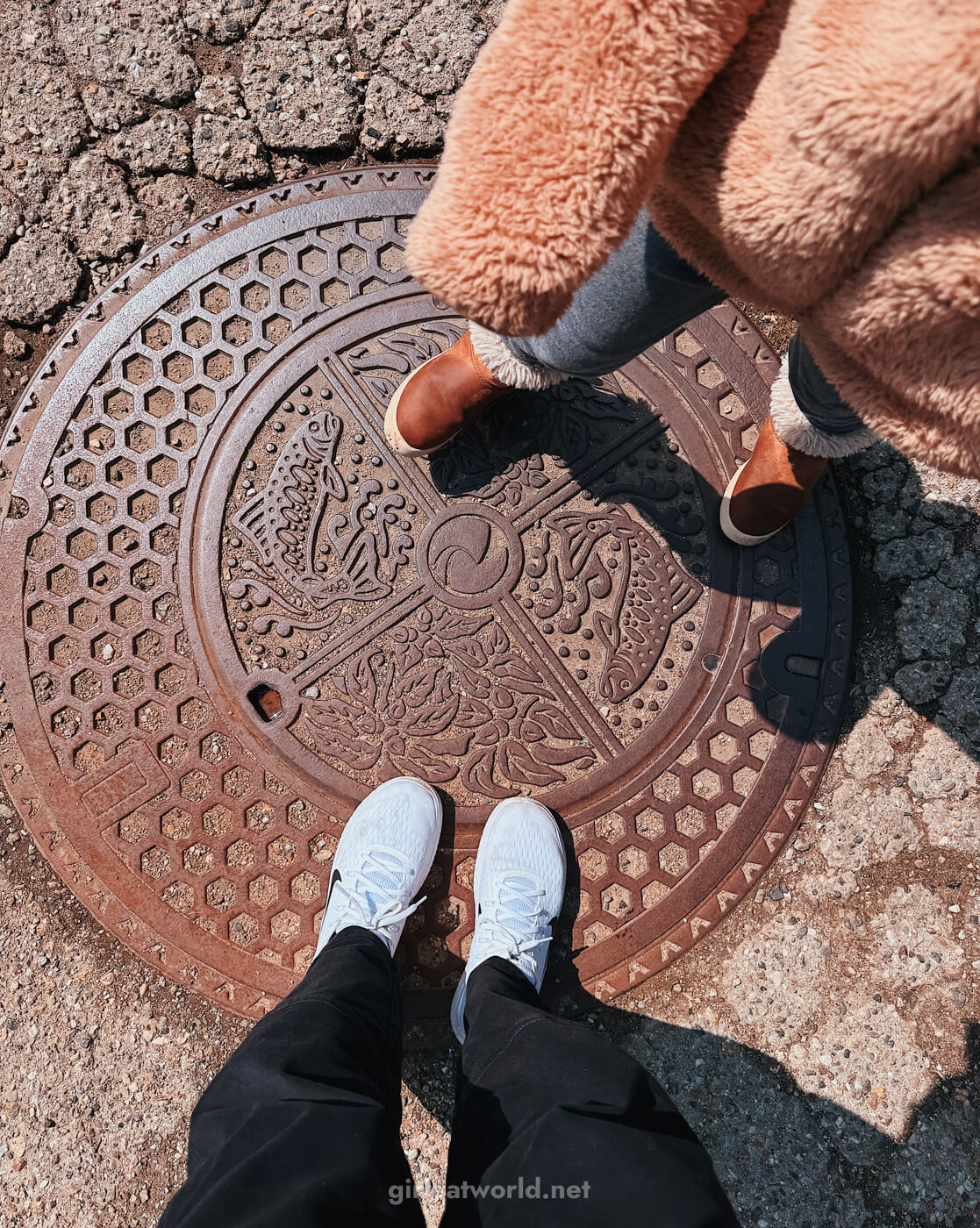
And that was my day in Narai-juku. Would you come visit?
As always, please let me know if you have any questions. Thanks for coming by!
Chat soon.
Are you planning a trip to Japan? I’ve written loads about the beautiful country. Check out the ‘Japan’ category of this blog for some travel inspiration.
Hi Melissa, two questions:
1. Which month was this travel, I see lots of snow in the pictures.
2. Your pictures are beautiful and sharp, what camera did you use for these beautiful pictures?
Hi Angie!
1. This trip was taken on the last week of March in 2025. It was a weird time, it’s not winter anymore but it snowed in the area the day before. We were surprised too!
2. They are all taken with my iPhone 15 Pro max