
My family and I visited Tokyo during the warm month of September this year. Even though we visit Tokyo frequently, we usually would go during the winter months to escape the hot and humid Singapore weather. This was our first time being in Tokyo when the weather is warm and humid. But, we did this on purpose! We wanted to enjoy the nature and outdoors activities before it gets too cold, something we don’t get to do much in Singapore.
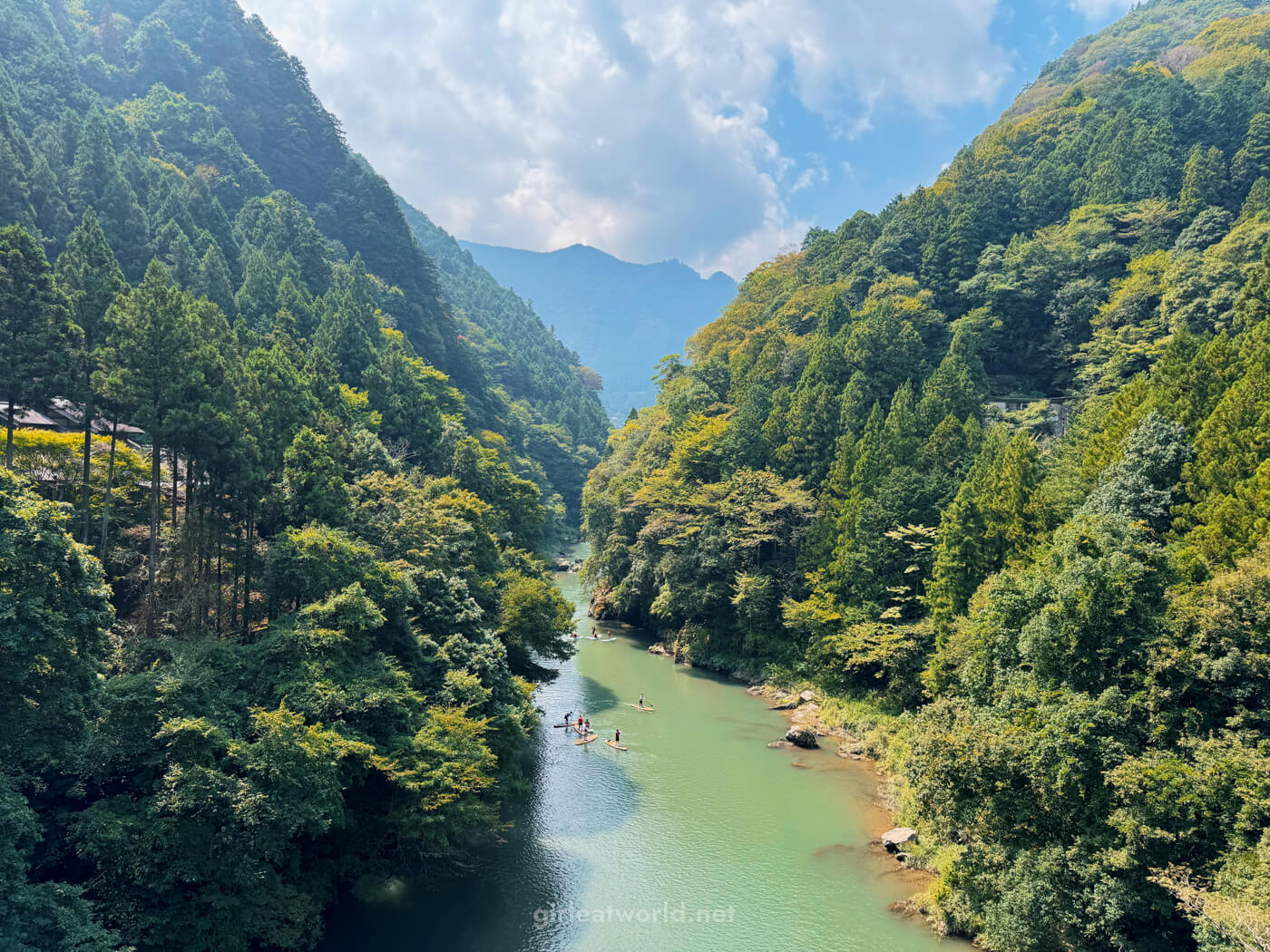
While in Tokyo, we are usually based in an area by the Tama River. Tama River is a well-known major river that runs south of Tokyo metropolitan area and eventually goes out to Tokyo Bay area by Haneda Airport. The river famously marks the end of Tokyo and the start of Kanagawa prefecture. But if you trace the Tama river all the way to the west, you’ll quickly realize that it’s a very long river. At the very end of Tama river, lies an area called Okutama, and that’s where we went.
Okutama is known as the closest nature to Tokyo. It’s no wonder that they draw day tripper and weekend trippers from Tokyo, but what I like about it is that it’s still lesser known than other options.
Travel Tips for visiting Okutama
Expect the “mountain hours” aka early closing hours — Much like anything else on the mountain, things close early in Okutama, including attractions and amenities. Be prepared to get everything done by 5PM to be safe.
Bear sightings in the spring and summer — Yes, there are black bears in the area! 🐻 while it’s still uncommon, be sure to know what to do if you see one especially if you plan to venture into the hiking areas. Back in August 2025, a visitor who were fishing by the Otaba river was suddenly attacked by a bear cub. Luckily, he escaped only with some scratches. Bears were also seen in Ome and Hinode in the same month.
Okutama Visitor Center — This visitor center is located right by the JR Okutama station. You’d be able to pick up hiking maps and get information around the area. I highly recommend stopping by here if you plan to hit the trails.
Do supply and grocery runs in Ome — Coming from Tokyo, Ome is the last “big” town you’ll see before you reach Okutama. Once you are in proper Okutama, where all the nature and hiking trails are, amenities are thin. There are no more modern grocery stores. If you plan to stay for a few days, I highly recommend to stock up some food in Ome before going to Okutama.
When is the best time to go to Okutama?
Okutama is famous for hiking trails, outdoor camping, and water activities. If you want to do those, it’s best to come during the Late Spring to Summer to early Fall (April to September) while the weather is warm. Although you need to be mindful of the rainy season which would usually fall on mid June to mid July.
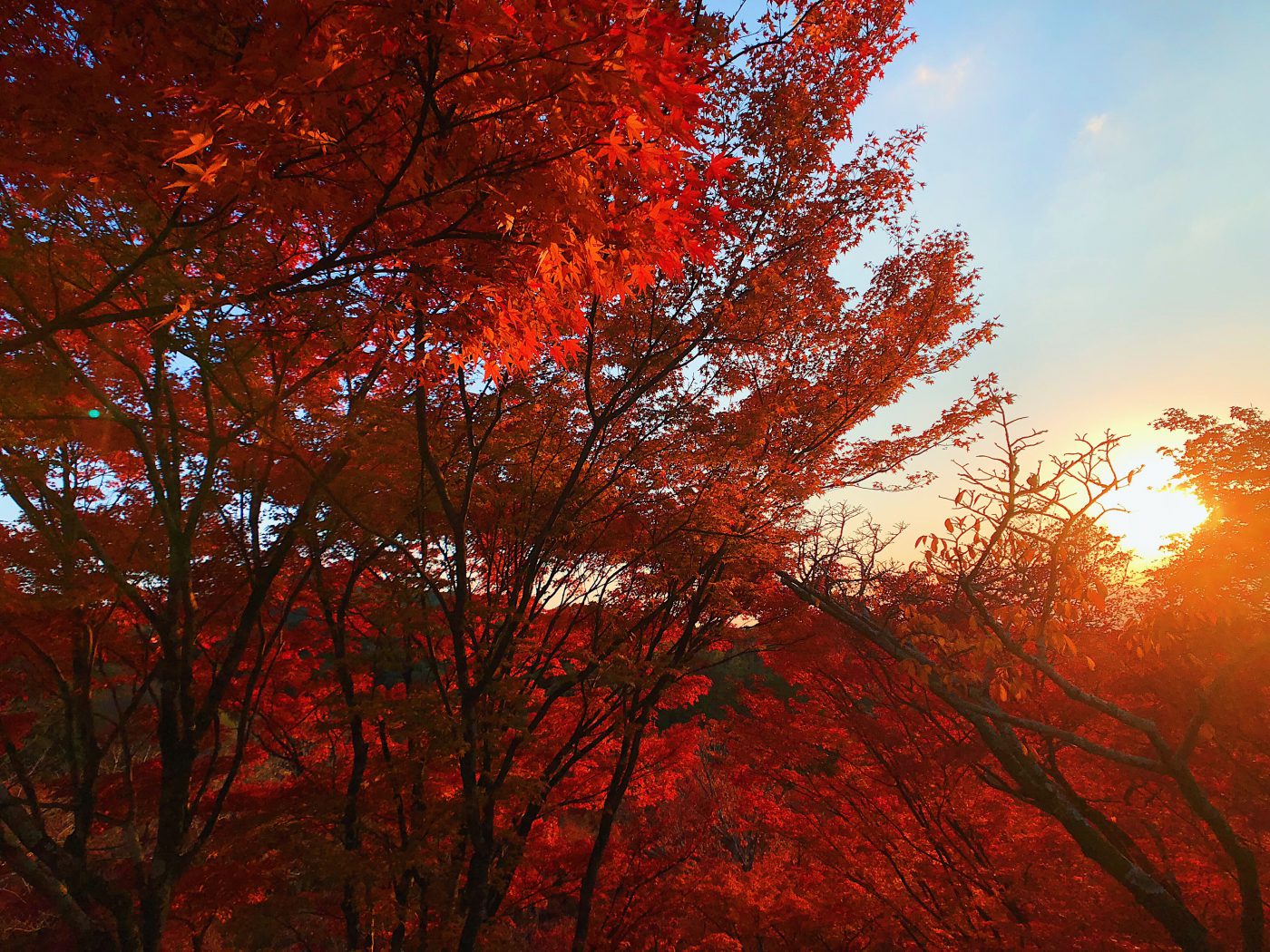
While I was in Okutama, I noticed there were many Momiji trees. Therefore, I think this area would make an excellent destination during Autumn as well, especially when it’s peak time usually in early to mid November for Momijigari.
How to get to Okutama from Tokyo
Drive a car – This is the most convenient way because there is not much “last mile” options once you get to Okutama. There are public transportation in the form of buses, but they don’t come as frequently as big cities like Tokyo. If you rent a car from Tokyo, Okutama can be reached in under 2 hours. You can book a car rental from Tokyo, which you can pick up from the airport or in the city:
- Car Rental Pick up in Tokyo
- Car Rental Pick up from Narita Airport
- Car Rental Pick up from Haneda Airport
🪪 Driving License: Just remember that driving in Japan requires an International Driving License (even if your license is in English), which you need to get in your home country.
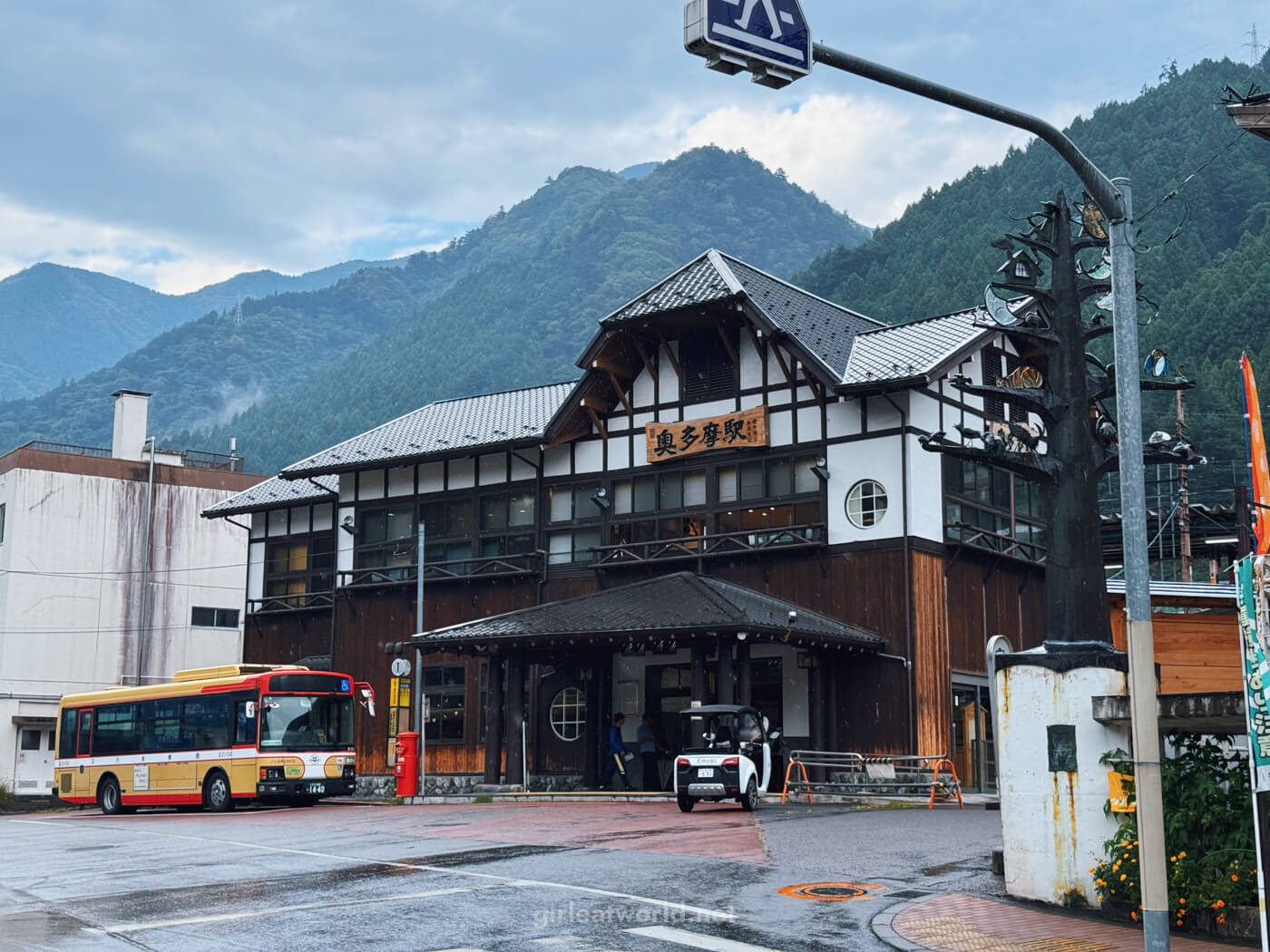
By Train and Bus – If driving is not possible for you, public transportation is still viable option. You can reach Okutama via JR Ome line. To access this line, take the JR Chuo line from Shinjuku to Tachikawa station and transfer to the JR Ome line to Okutama station. It takes a little under 2 hours to reach Okutama station from Shinjuku. From Okutama station, you’ll be able to resume by bus or continue on the JR Ome line to most destinations I mentioned below.
Where to stay in Okutama
Staying overnight in Okutama is not required, but if you want to extend it into a weekend trip, there are definitely enough to do around here. Here’s where you can stay in Okutama:
Satologue – A well known 3-star resort conveniently located between Hatonotsu and Kori station on the JR line.
Kiyokawa Guesthouse – An affordable hostel, very conveniently located by the Okutama JR station.
Utsubuya-so – Located in Mount Mitake, this area won’t see much tourists staying overnight. Perfect if you’re looking for peace and quiet
Hikawa Camping – We stayed at this mountain lodge within Hikawa. It was a large lodge that can fit up to 6 people (maybe more), with a kitchen and a dedicated shower and toilet. The lodge is spacious yet very basic, and it wasn’t really cheap at around 35,000 yen per night. Hikawa Camping does have other more affordable accommodations but you will have to use the shared toilet and shower. Camping by the river is also possible here.
How to get around in Okutama
Nishi Tokyo Bus acts as the last mile transportation from Okutama station You can check the routes and timetable here – although it is in Japanese only, it can be easily translated to english.
Aside from the bus, the JR Ome line train will also help you get to many places. You’ll likely need to use a combination of both train and bus to get to most of the places I’ll be mentioning in the next section.
What to do in Okutama
Once you get to Okutama, here some ideas of things you can do:
1. Okutama Mukashi Michi (むかし みち)
Okutama Mukashi Michi (literal translation: Okutama old road) is the most popular walking trail in Okutama. It is a 10km trail that ends at Lake Okutama. The first 7km is an easy flat walk, but the last 3km gets steep as you ascend up. The beginning of this trail can be easily accessed by foot from Okutama station.
To get back from Lake Okutama to Okutama station, you can take Nishi Tokyo bus if you don’t want to walk back again.
2. Lake Okutama and Ogouchi Dam
Ogouchi Dam is the water source for greater Tokyo area. To get to Lake Okutama, you can either walk the Okutama Mukashi Michi trail as I’ve described above, or you can take Nishi Tokyo bus 15 from Okutama station Platform 2. View the schedule here and look for the bus marked “湖” for the one that will go to Lake Okutama.
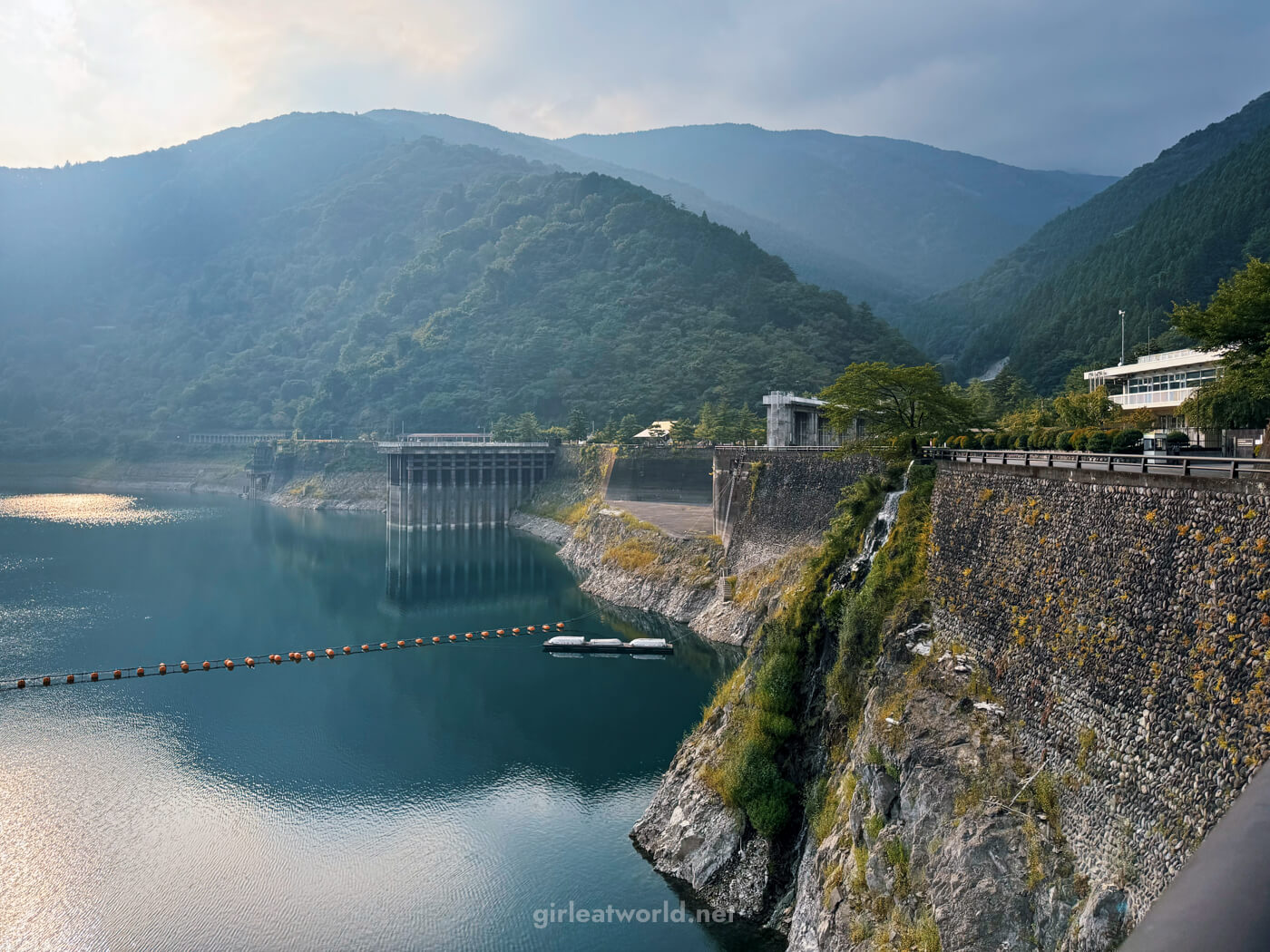
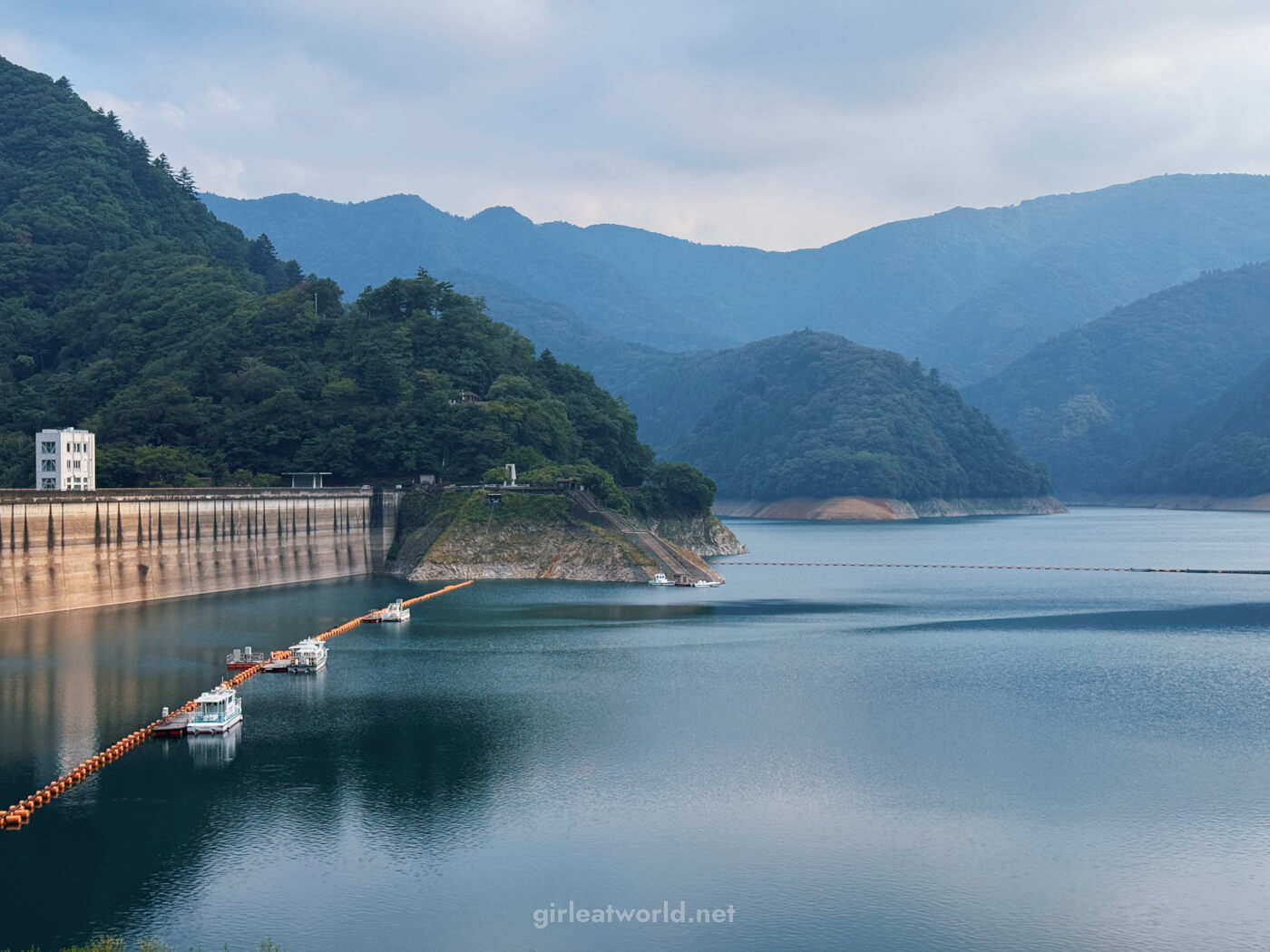
Here is what you can see and do at Lake Okutama:
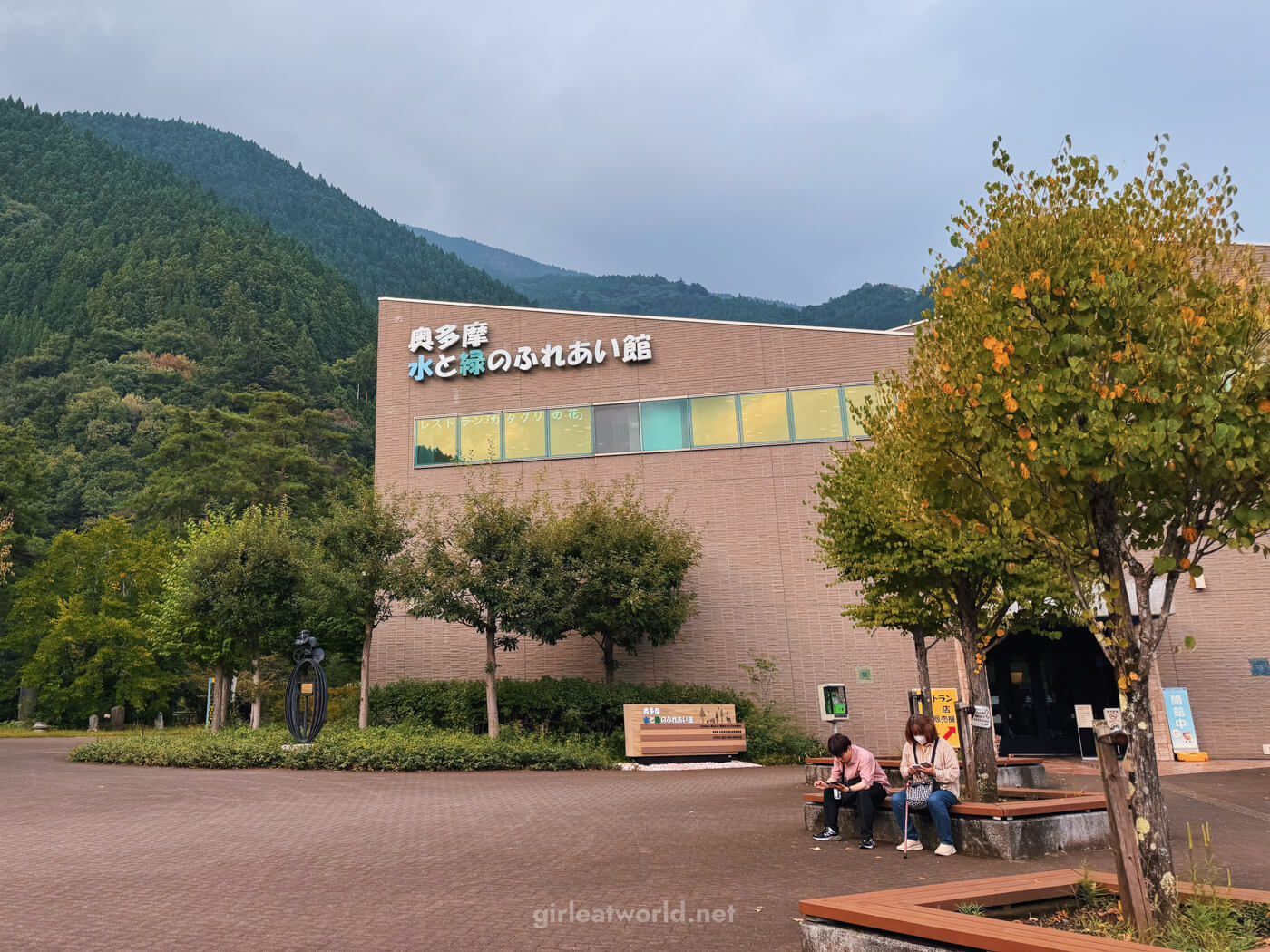
1. Okutama Water and Green Museum
Okutama Water and Green Museum is a small but interactive museum, located near the end of the old trail.
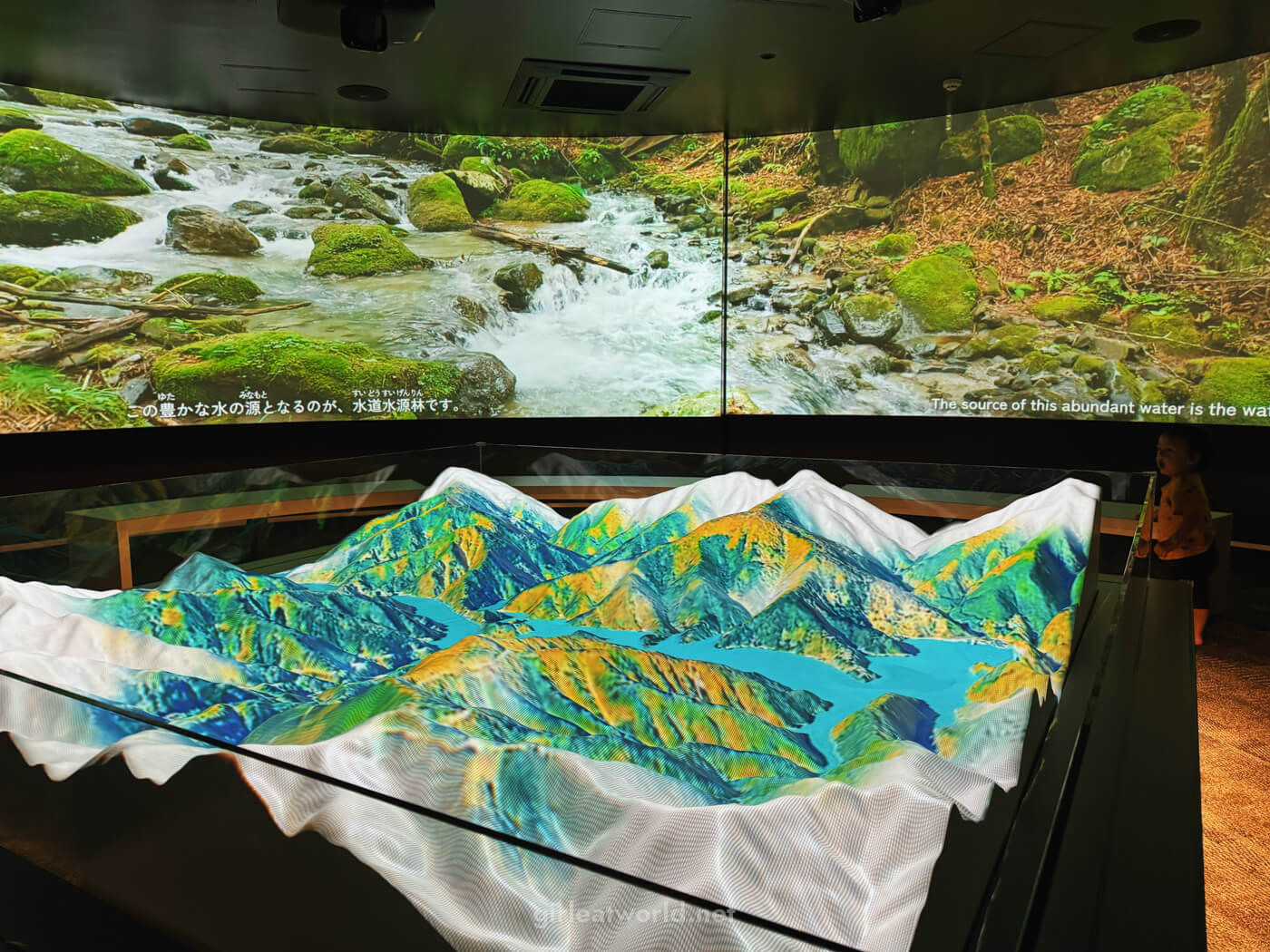
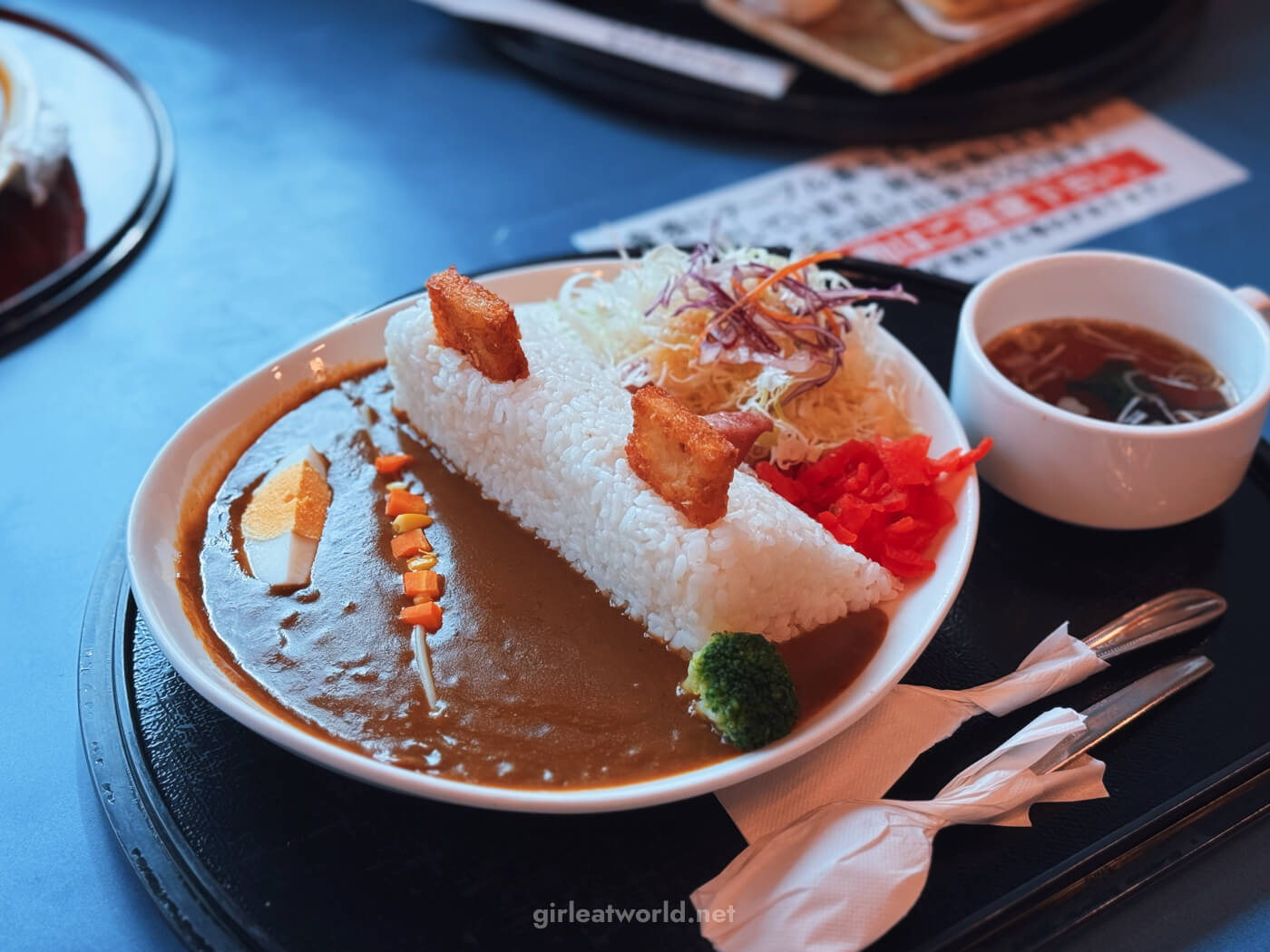
On the top floor of the museum, there is a simple cafe at the top where you can order the usual suspects: Japanese curry, udon, soba, etc. But my favorite is the Ogouchi dam curry, which is made to resemble the dam, complete with the line of buoy and the two observation towers!
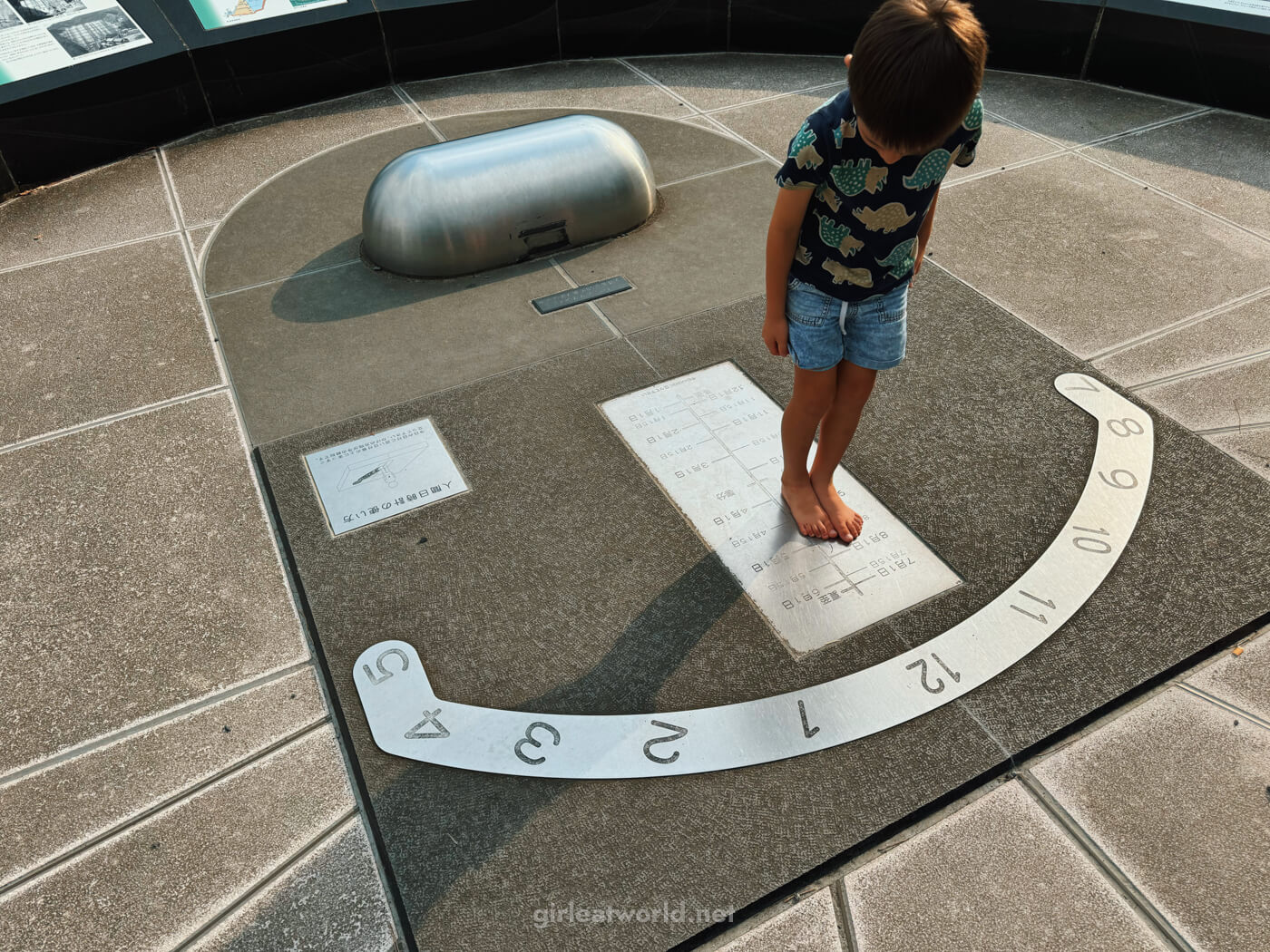
The area around Lake Okutama is also a fun place to stroll around. Here is my son demo-ing the sundial, and behind him is a time capsule that they’ll open some time in the future.
2. Ogouchi Observation Tower
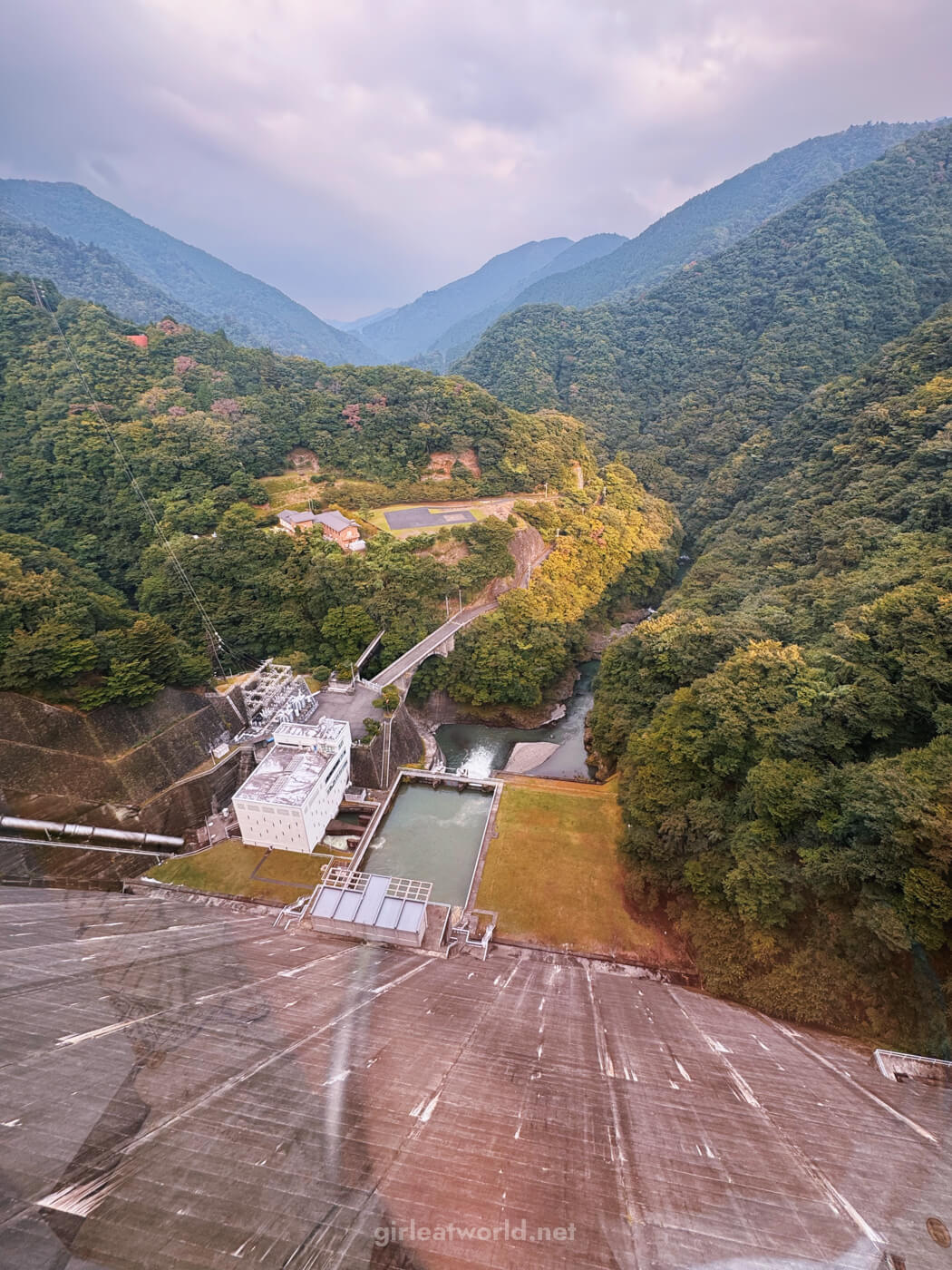
There are two observation towers on top of the dam, but only one of them is open to public. The tower looks small from the outside (only 3-4 stories tall) but it is perched on a cliff on top of the dam. From this tower, you can observe the opening of the dam and how it regulates the water level in Tama river.
3. Nippara Limestone Cave
To get to Nippara limestone cave, you can take Nishi Tokyo bus 20 from Okutama Station Platform 1. This bus is only available on weekdays. View the schedule here and make sure you look at the bus marked “鐘” for the one that will go to the limestone cave.
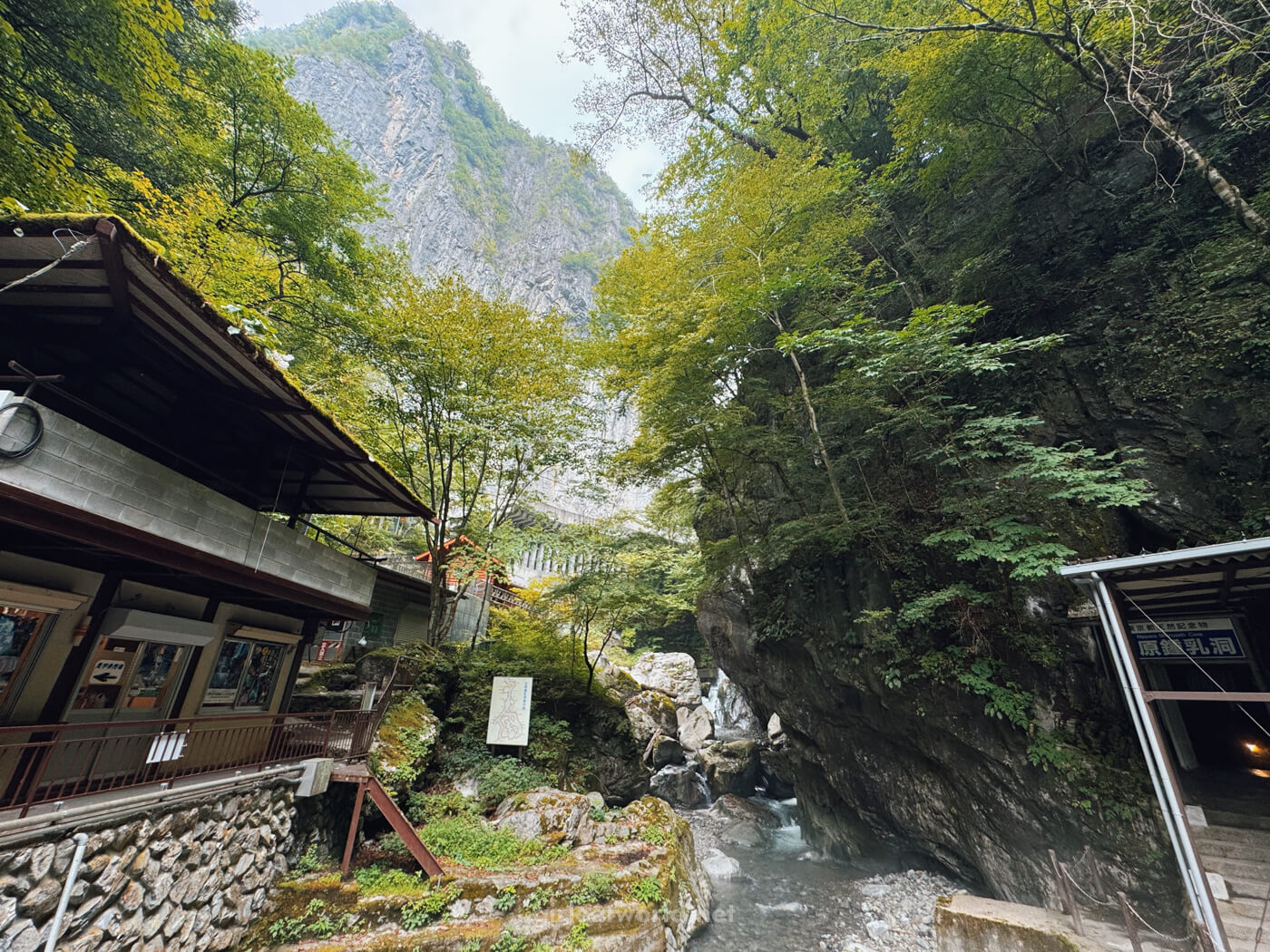
Not gonna lie, this cave was unexpectedly one of the coolest things we did in Okutama. As soon as you enter the mouth of the cave, temperature drops a few degrees so be sure to bring a jacket!
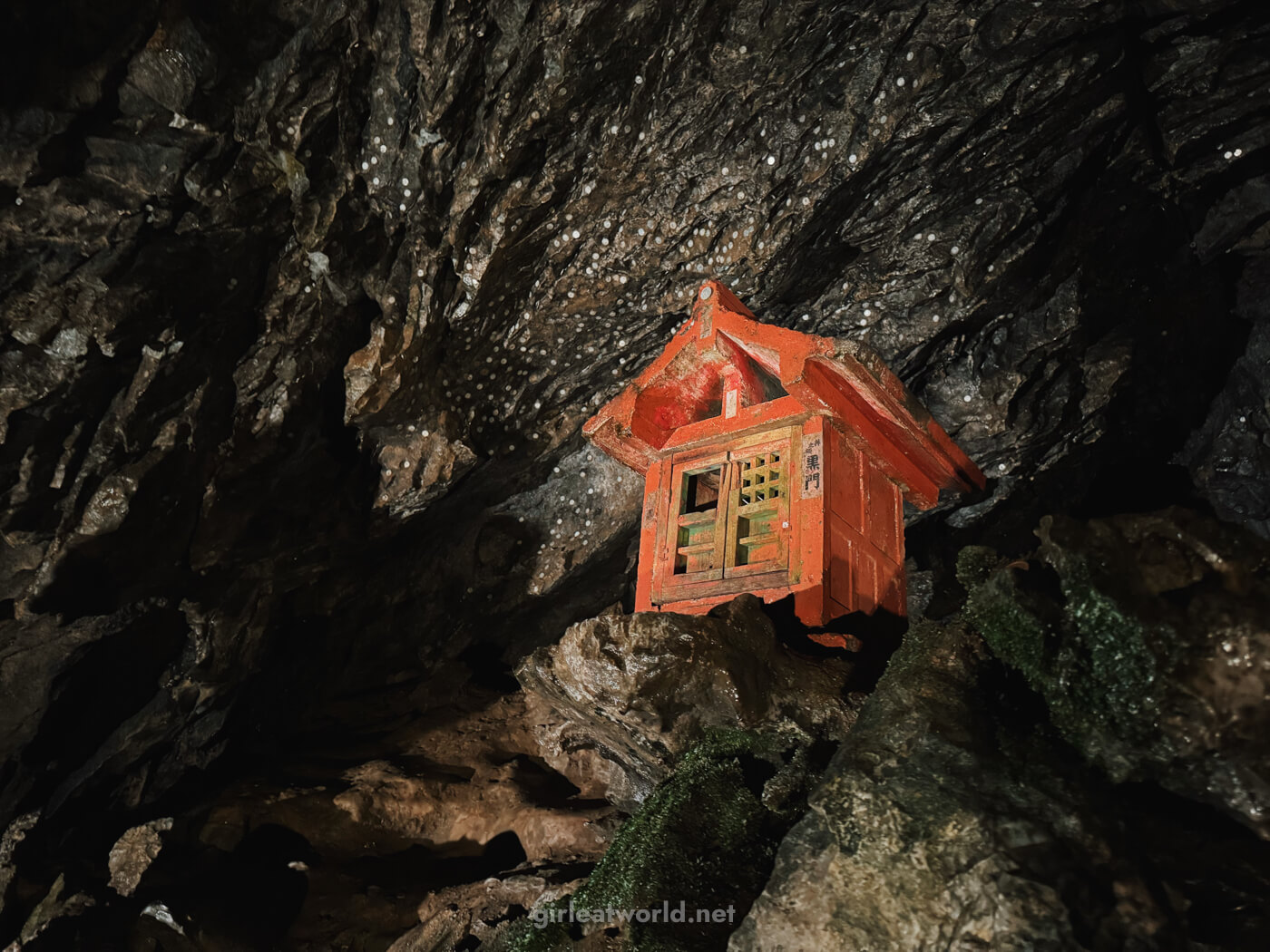
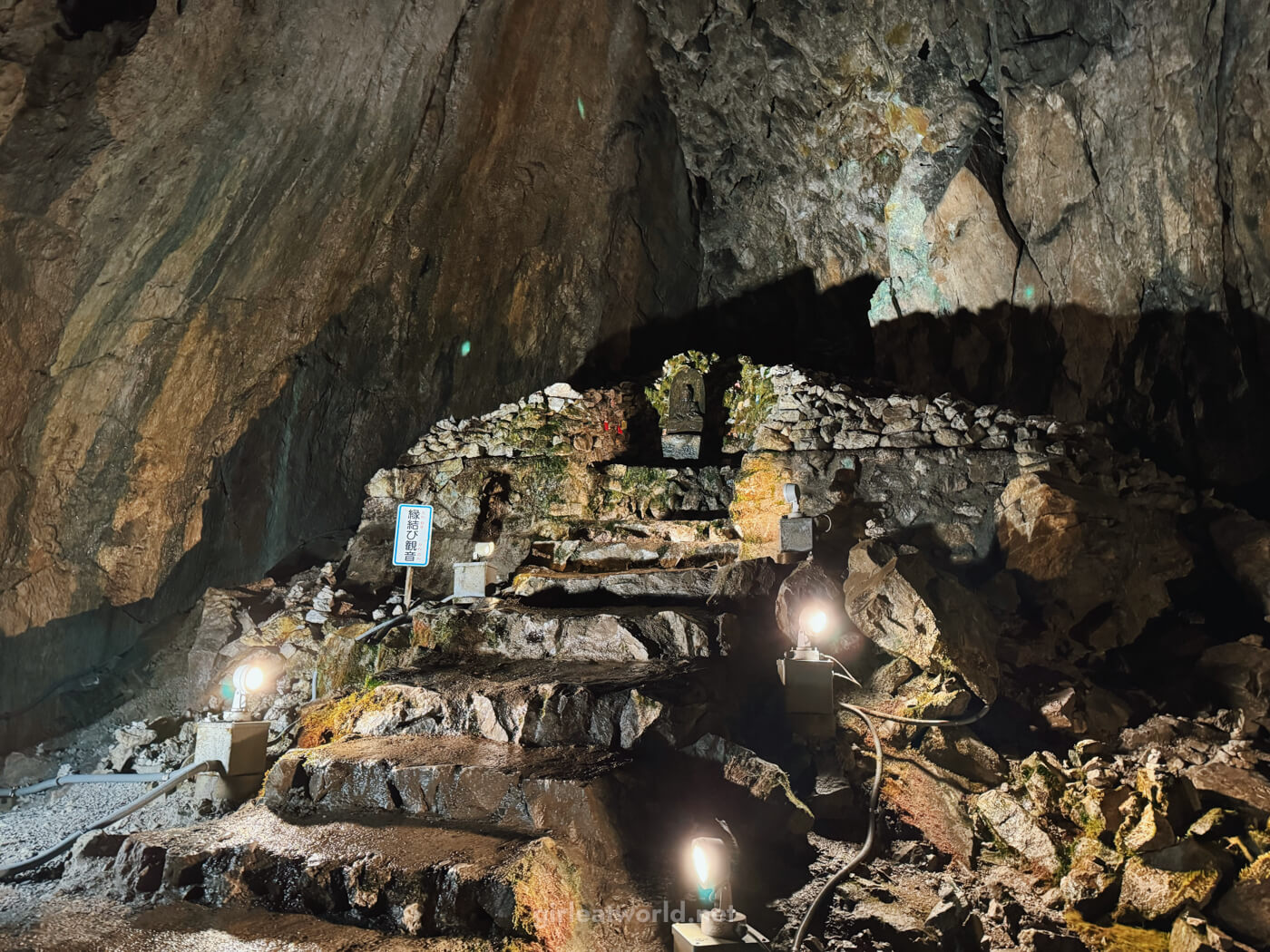
Some parts are pretty steep and can get slippery, so wear proper shoes with grip. I don’t recommend coming in here with sandals.
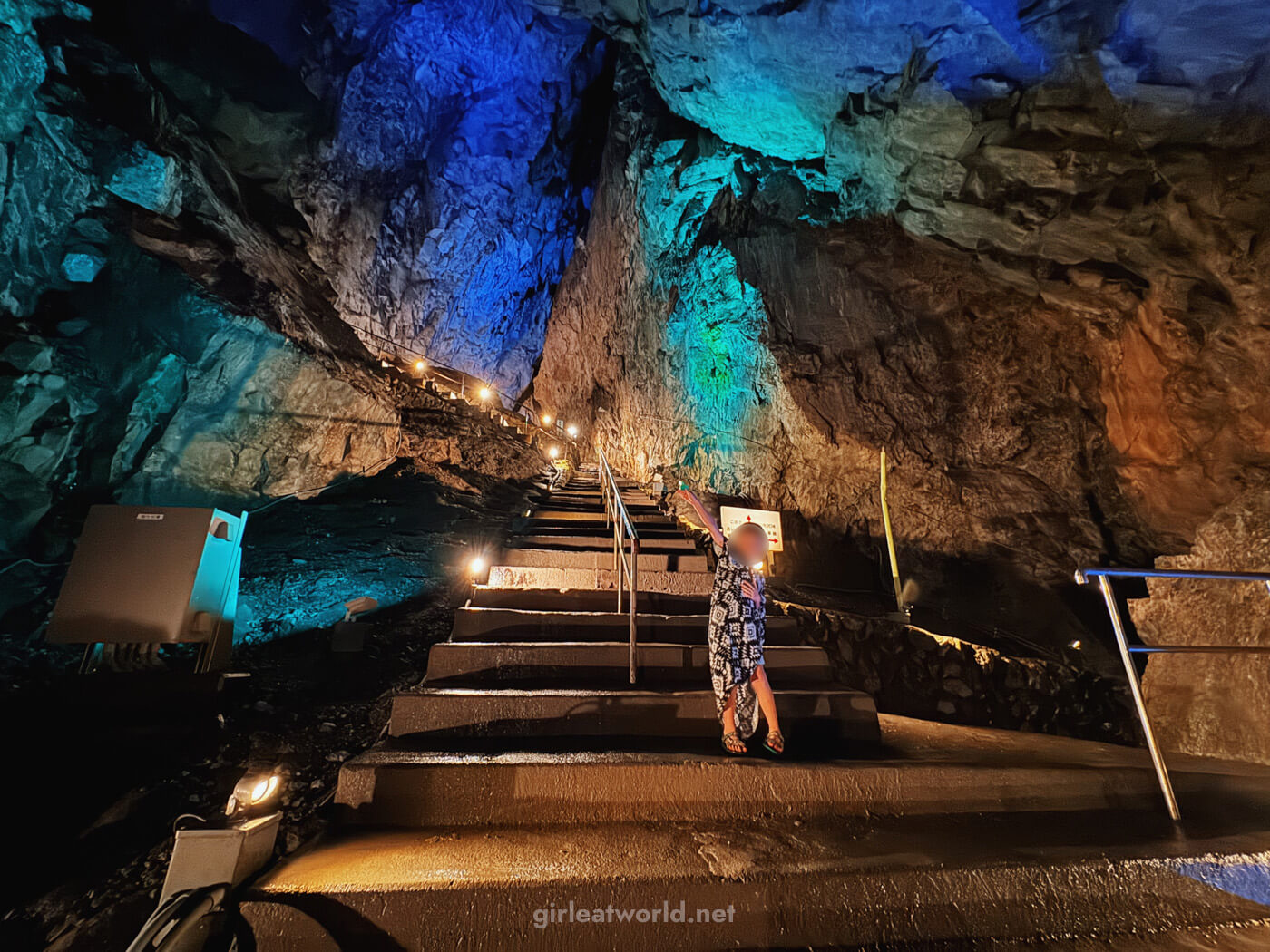
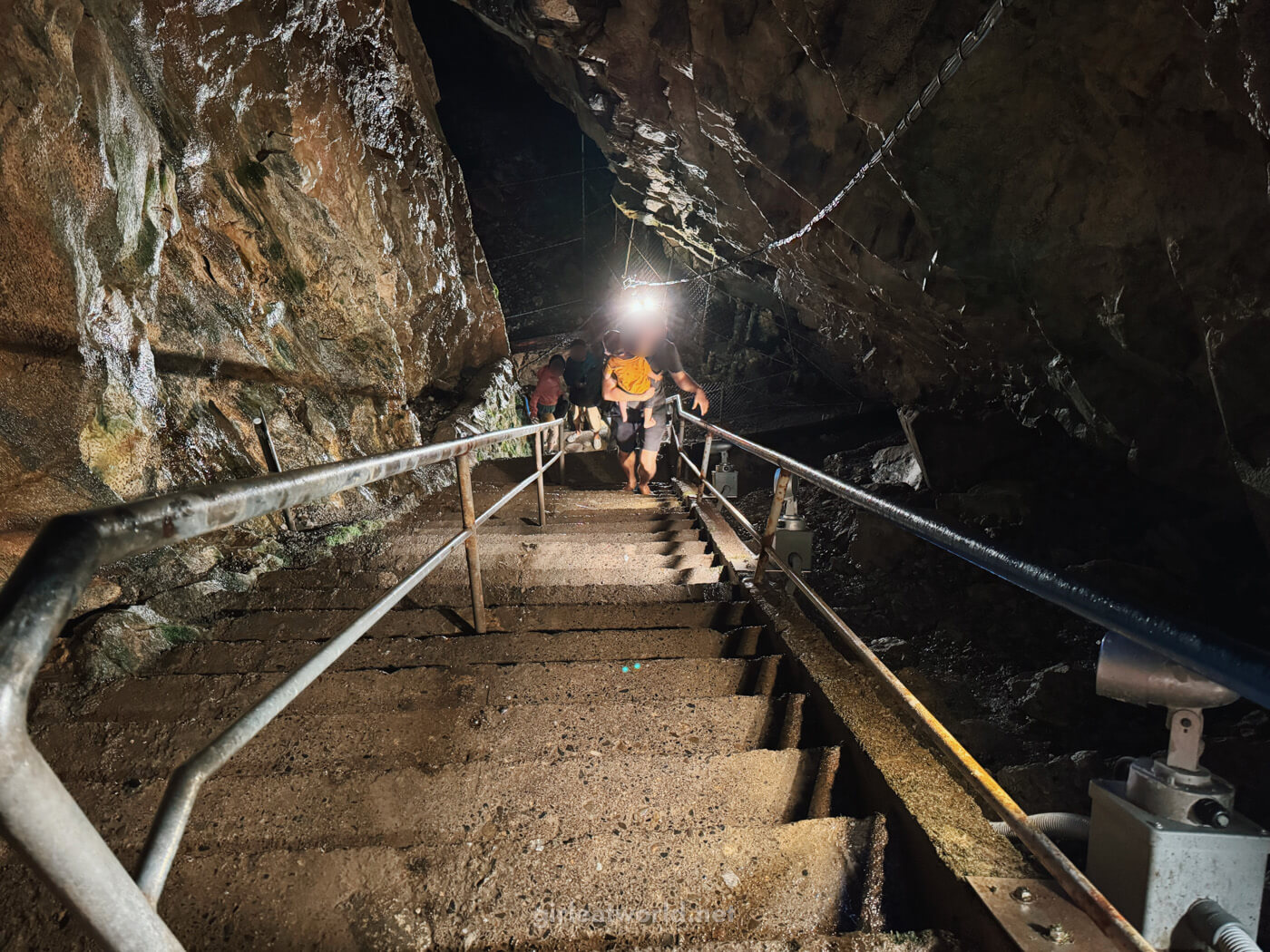
The cave is pretty big – It took us a little less than hour to explore most areas in the cave.
4. Shiromaru Dam Fish way (白丸ダム)
Shiromaru dam is known due to its “Fish ladder” feature, which allows fish in the river to swim upstream. While this is a somewhat common feature in rivers in Japan, the one in Shiromaru is the longest in Japan.
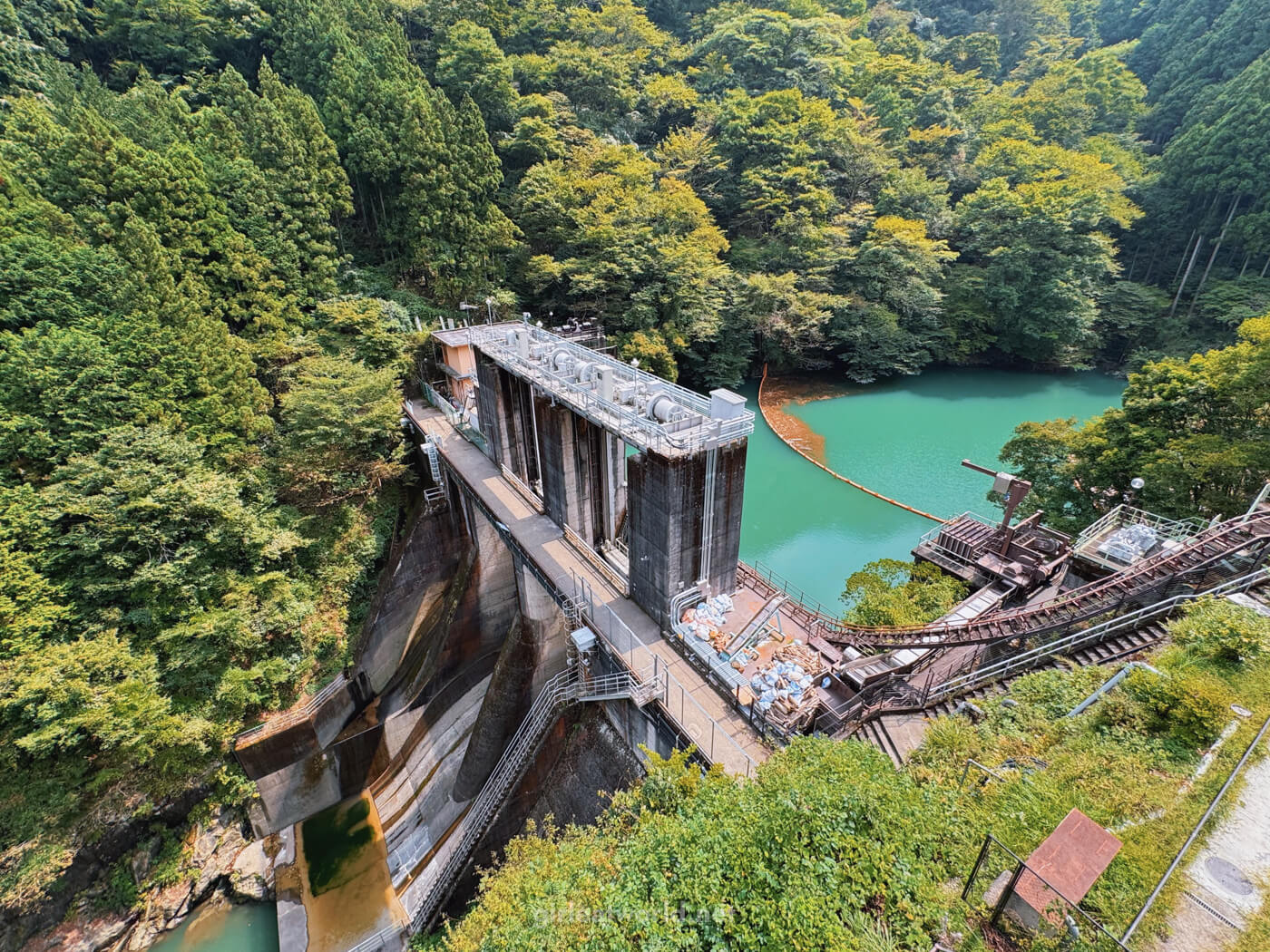
The fish ladder is open for public viewing from April to November on certain days (only on Weekends and Japanese public holidays). During Japanese school holiday period (Mid-July to August 31), it is open everyday.
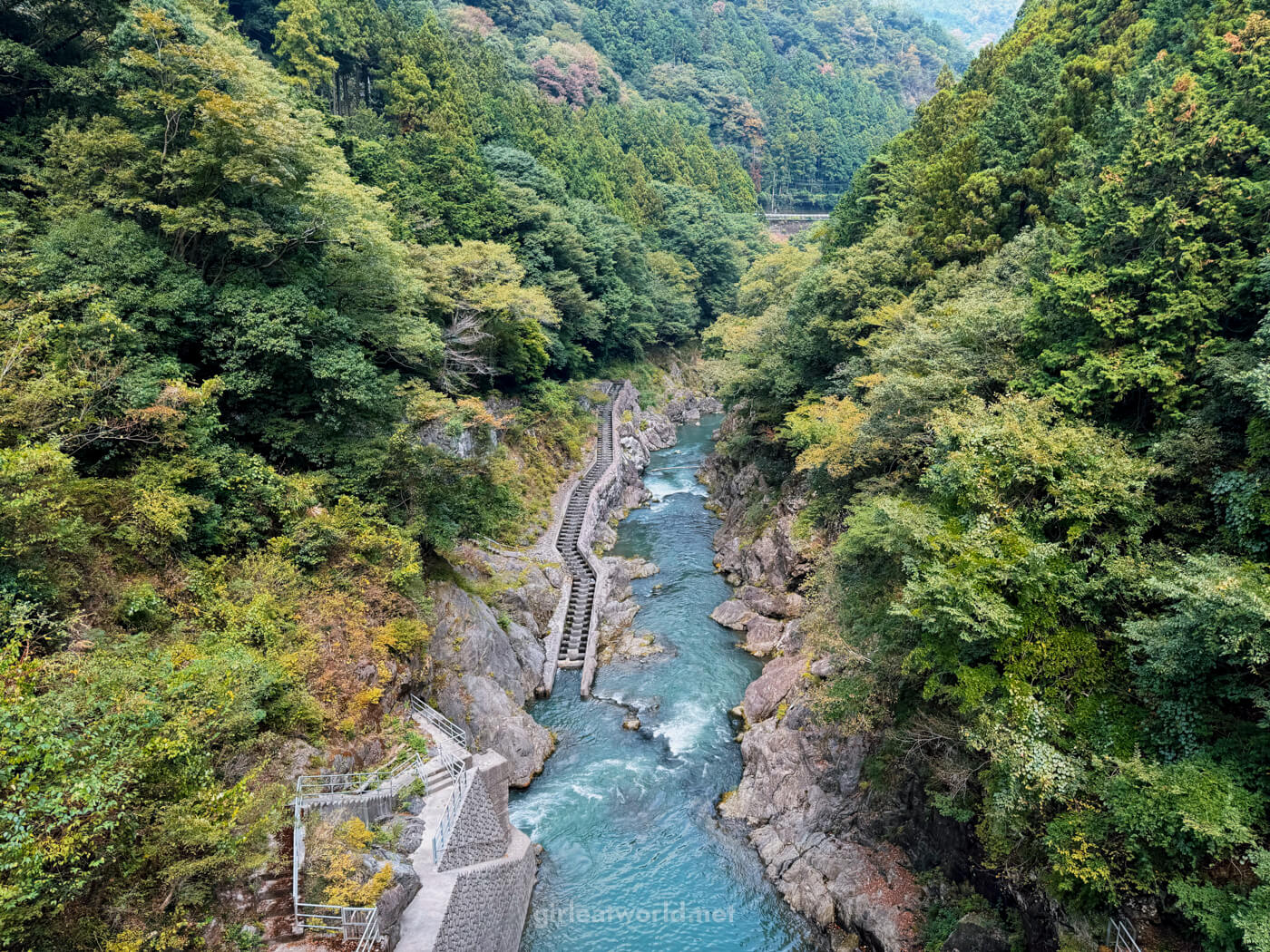
Although we visited in September, we were there on weekdays so we weren’t able to see the fish ladder.
To get to Shiromaru Dam, you can aim for Hatonosu Station on JR Ome line. The dam is only 10 minutes walk from the train station.
6. Wasabi
Okutama is known for wasabi, so much that they’ve made a wasabi-shaped character called “Wasapi”. You’ll see him (her?) around a lot while in Okutama.
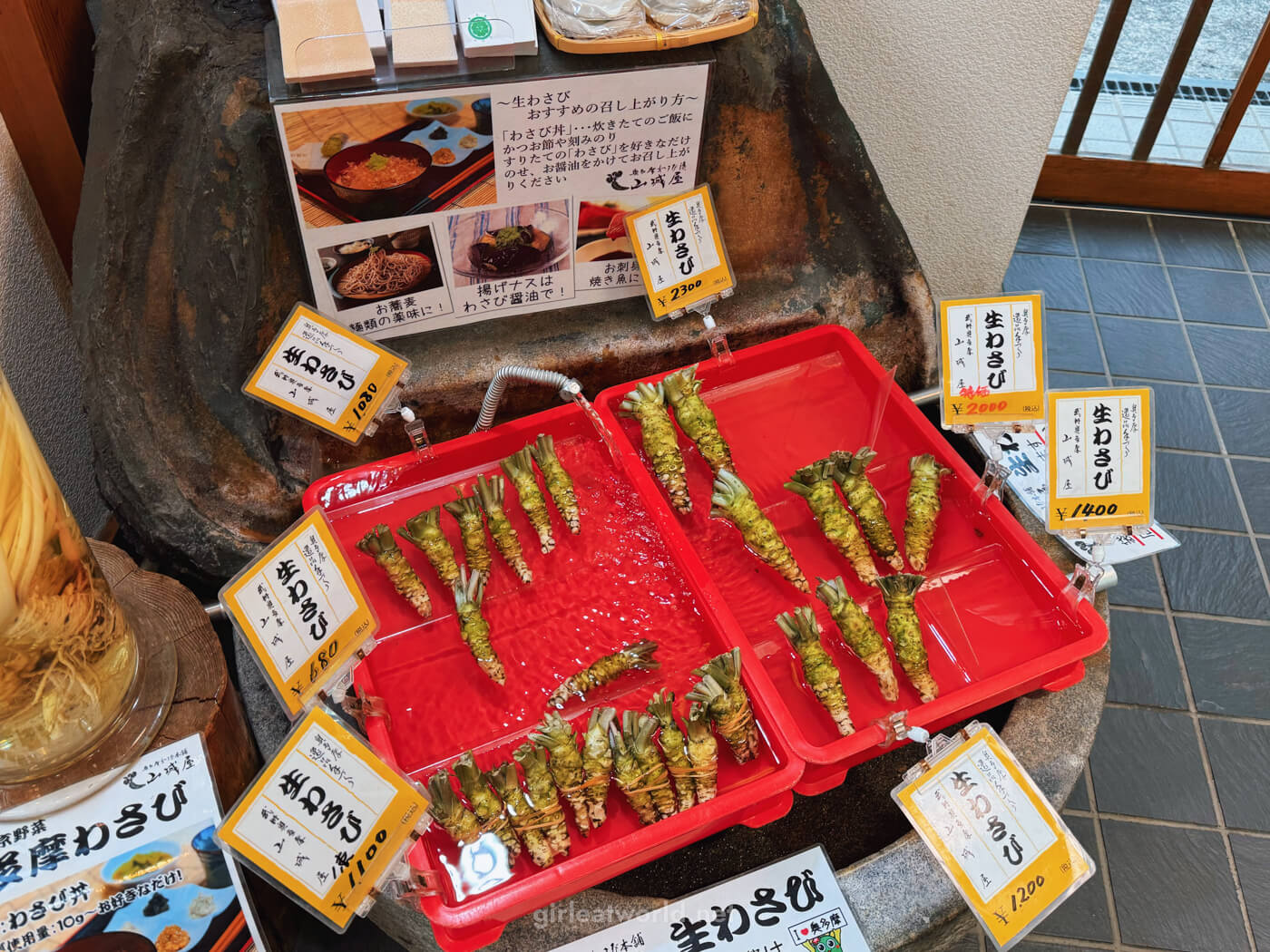
Near Okutama station, you can find Yamashiro Wasabi shop to buy various Wasabi products, including fresh, authentic Wasabi. I say “authentic” because most Wasabi you see in restaurants are fake – they’re likely a mixture of horseradish and mustard that has been dyed green. This is because real wasabi is difficult to grow, and thus expensive.
5. Kazuma Cutting Tunnel (数馬の切通し)
What’s so special about this tunnel? Well, Kazuma cutting tunnel is unique because it was entirely hand-carved with manual labor in the Edo period, using just a pickaxe! Because of this, you can still see rough traces of patterns of the makings of this tunnel.
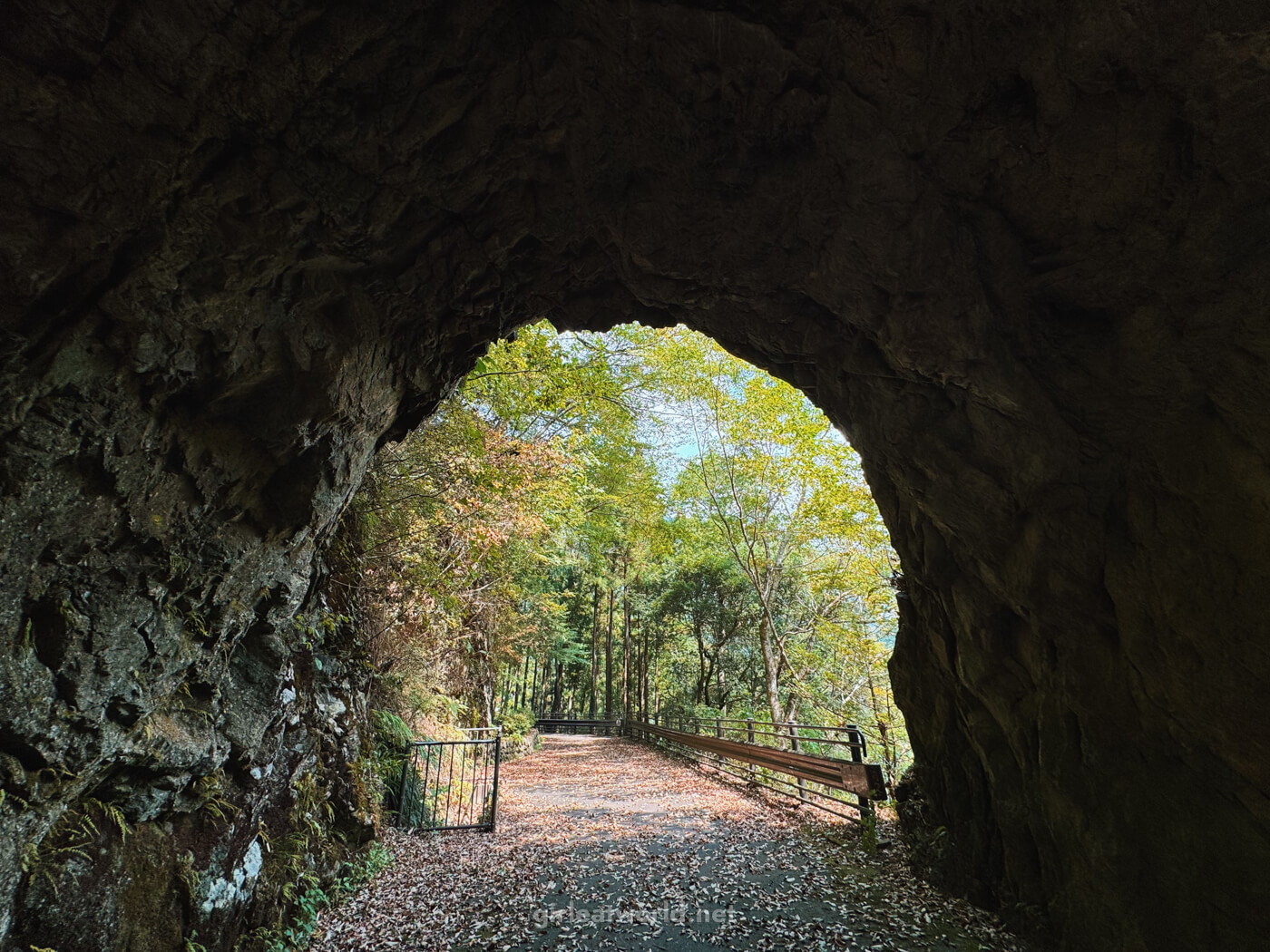
This tunnel is about 10 minutes walk from Shiromaru Station on JR Ome line. If you come here, sI recommend visiting Earth Garden nearby for lunch as well.
6. Mount Mitake
Mount Mitake is a perfect place to get even higher elevation than Okutama. There is enough to do here for about half a day, so it can even make a good day trip option from Tokyo on its own.
To get to Mount Mitake, make a stop on the JR Ome line at Mitake station. Then take the bus to the Mitake Tozan Takimoto station (click here for schedule) or if you prefer to walk, it takes around 35 minutes. From there, you can take the ropeway up to Mitakesan Station.
Here’s what you can do at Mount Mitake:
1. Take the Mitake Tozan Funicular
Unless you plan to walk all the way up from the train station, taking the funicular is not optional. A round-trip costs 1,200 yen for adults and 600 yen for children. You can use your IC card to pay the fare.
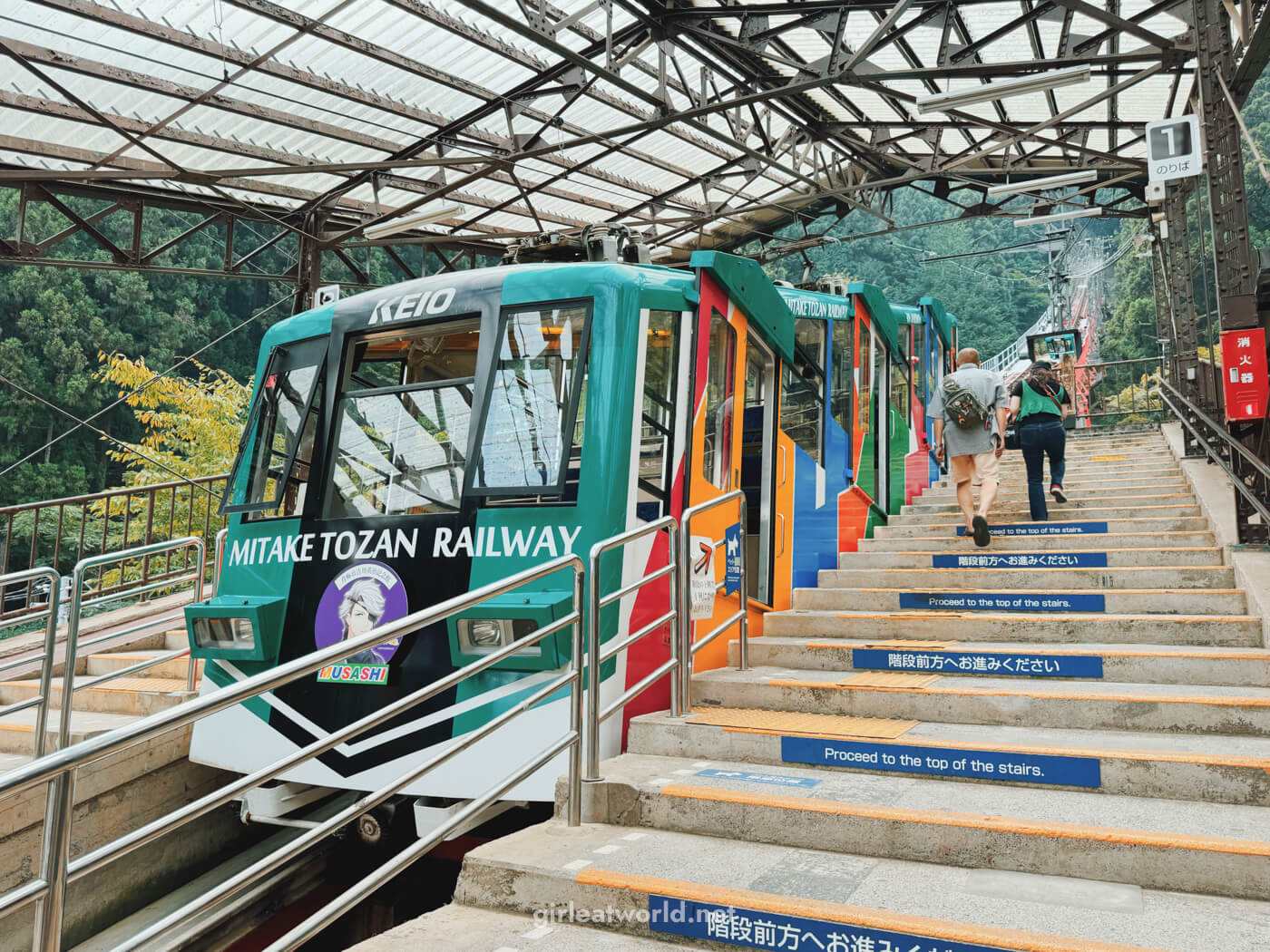
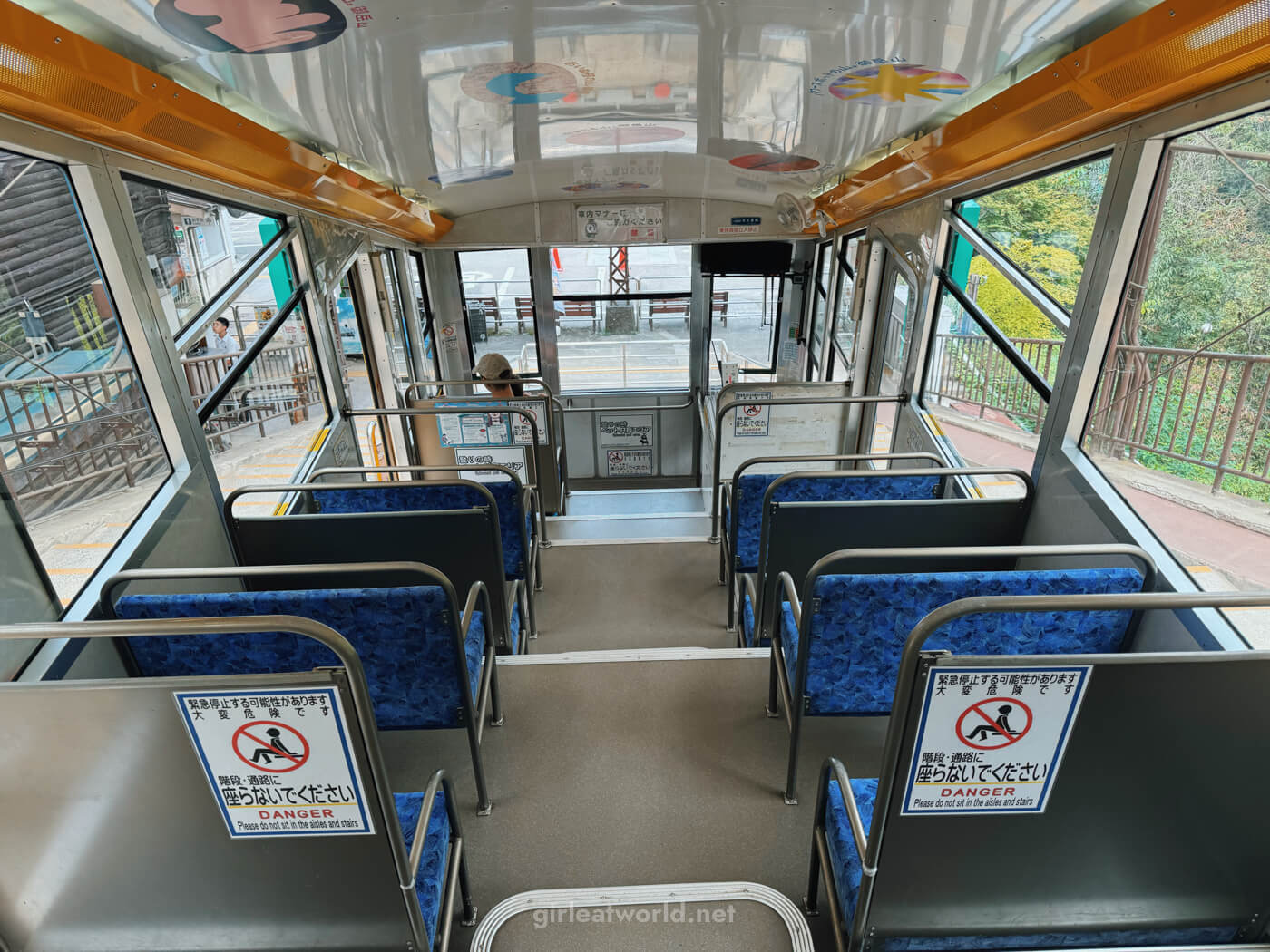
This funicular is interesting because it is made of a single track that accommodates both directions. At halfway point, the cars going opposite direction will have to wait for each other to pass.
The train runs roughly twice every hour. Take note though, if the weather is not cooperative (if it is raining with thunder), they will cancel the trip and you’d have to wait until it’s safe again for them to operate.
Once you go up to Mitakesan station, there is a view point where you can see Tokyo if weather allows.
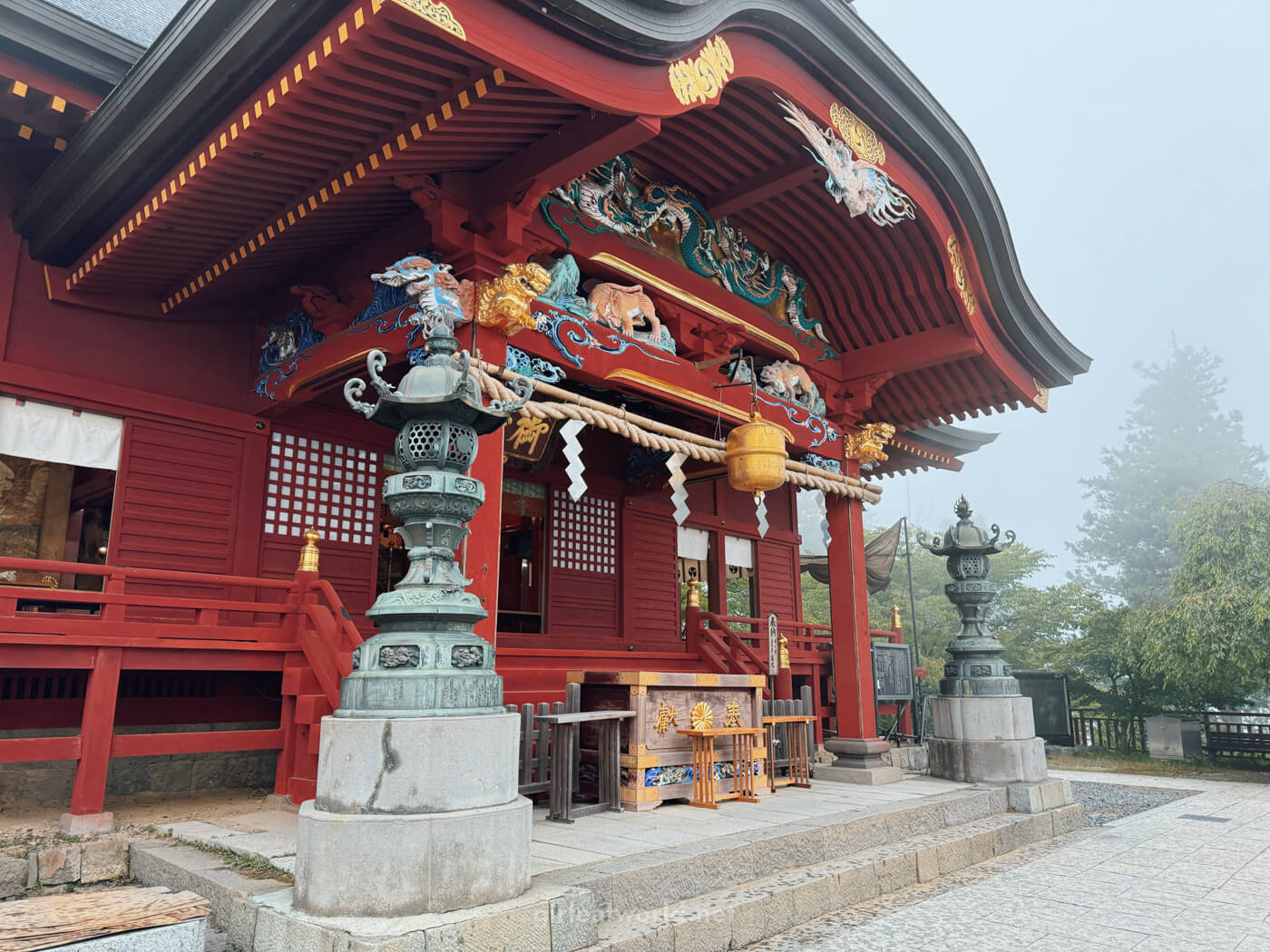
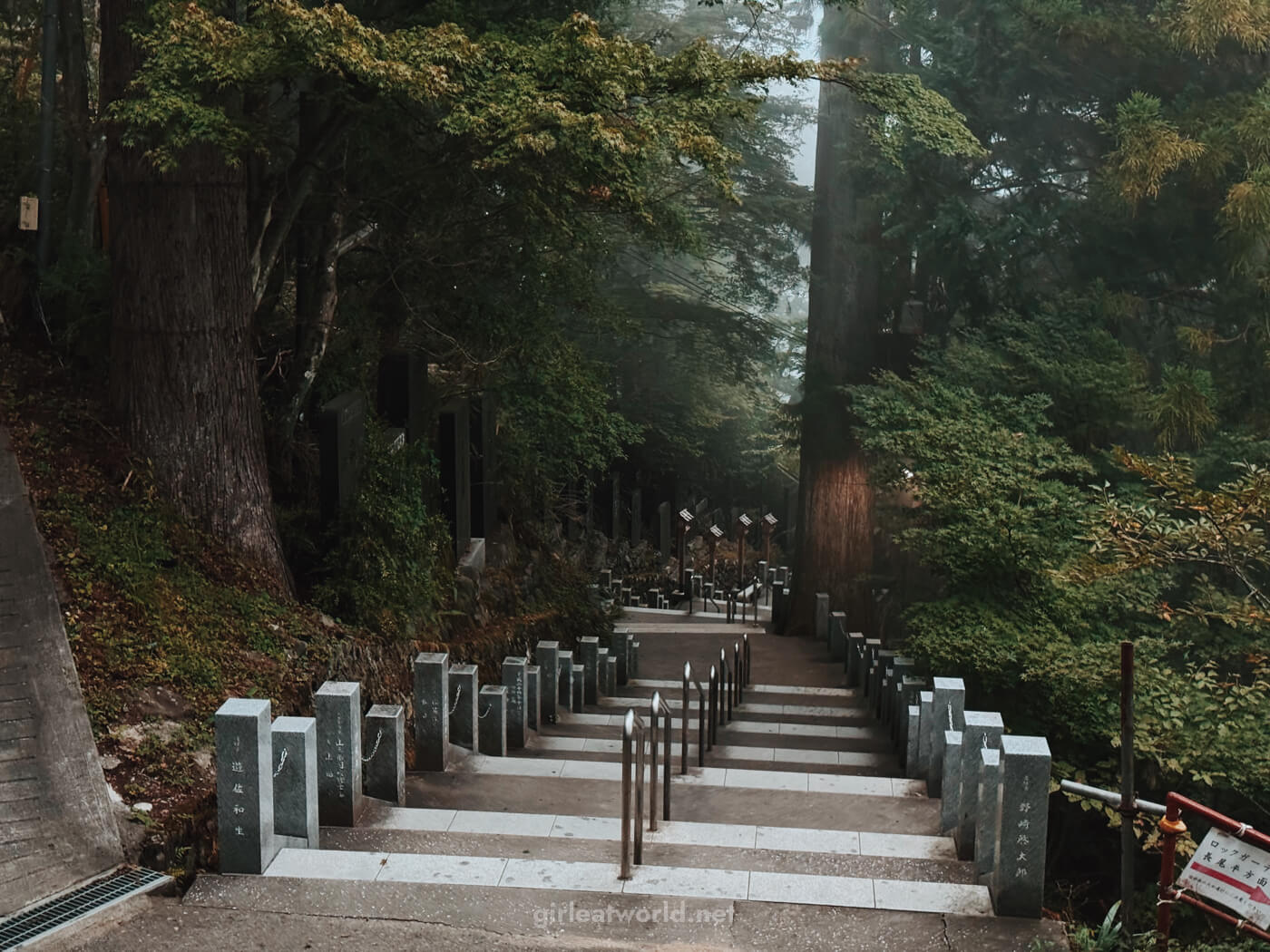
2. Musashi Mitake Shrine
Once you’re done with the view at Mitakesan station, you can make your way to Musashi Mitake Shrine. This shrine is quite a walk from the station, but it’s very worth it!
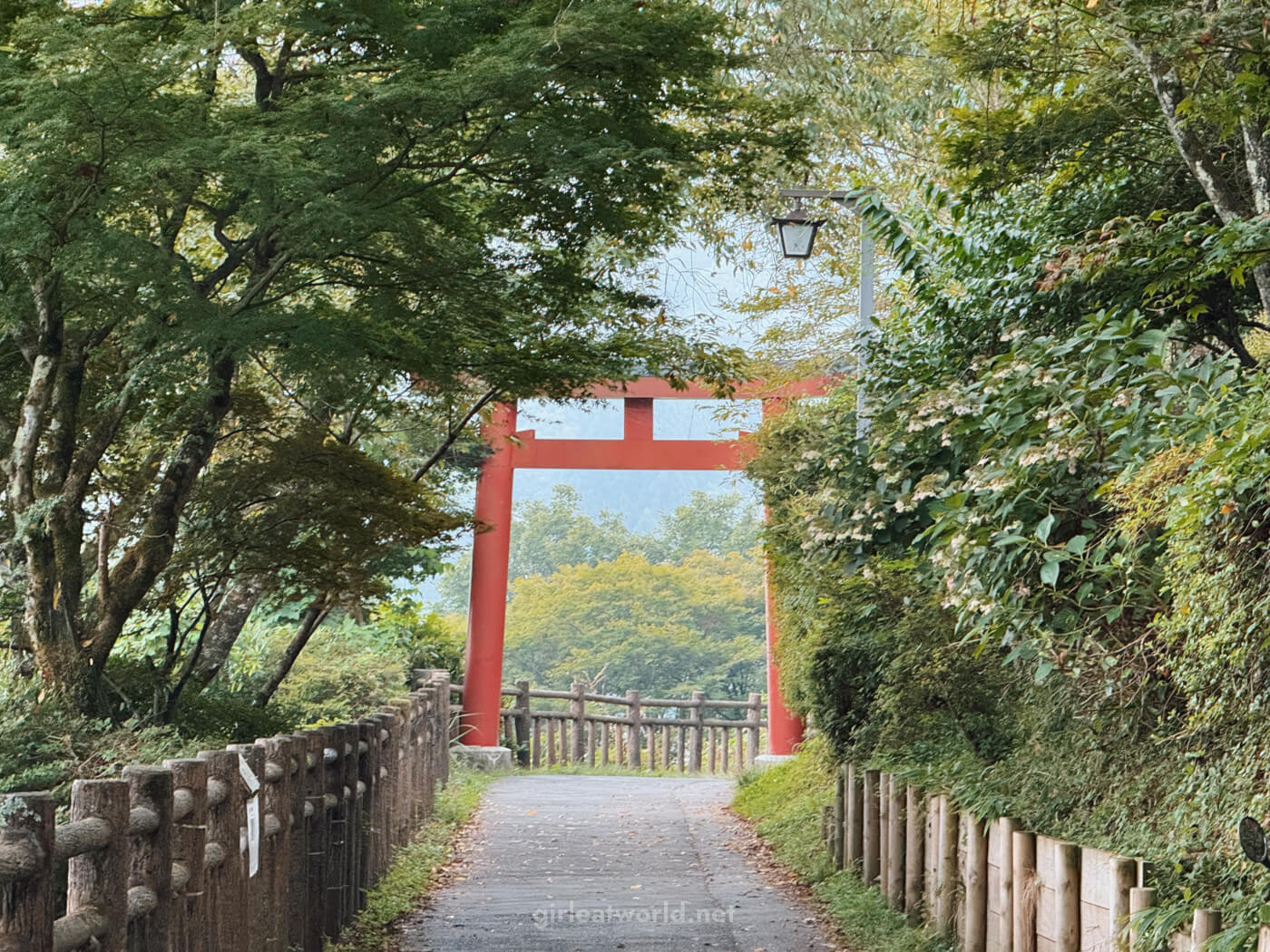
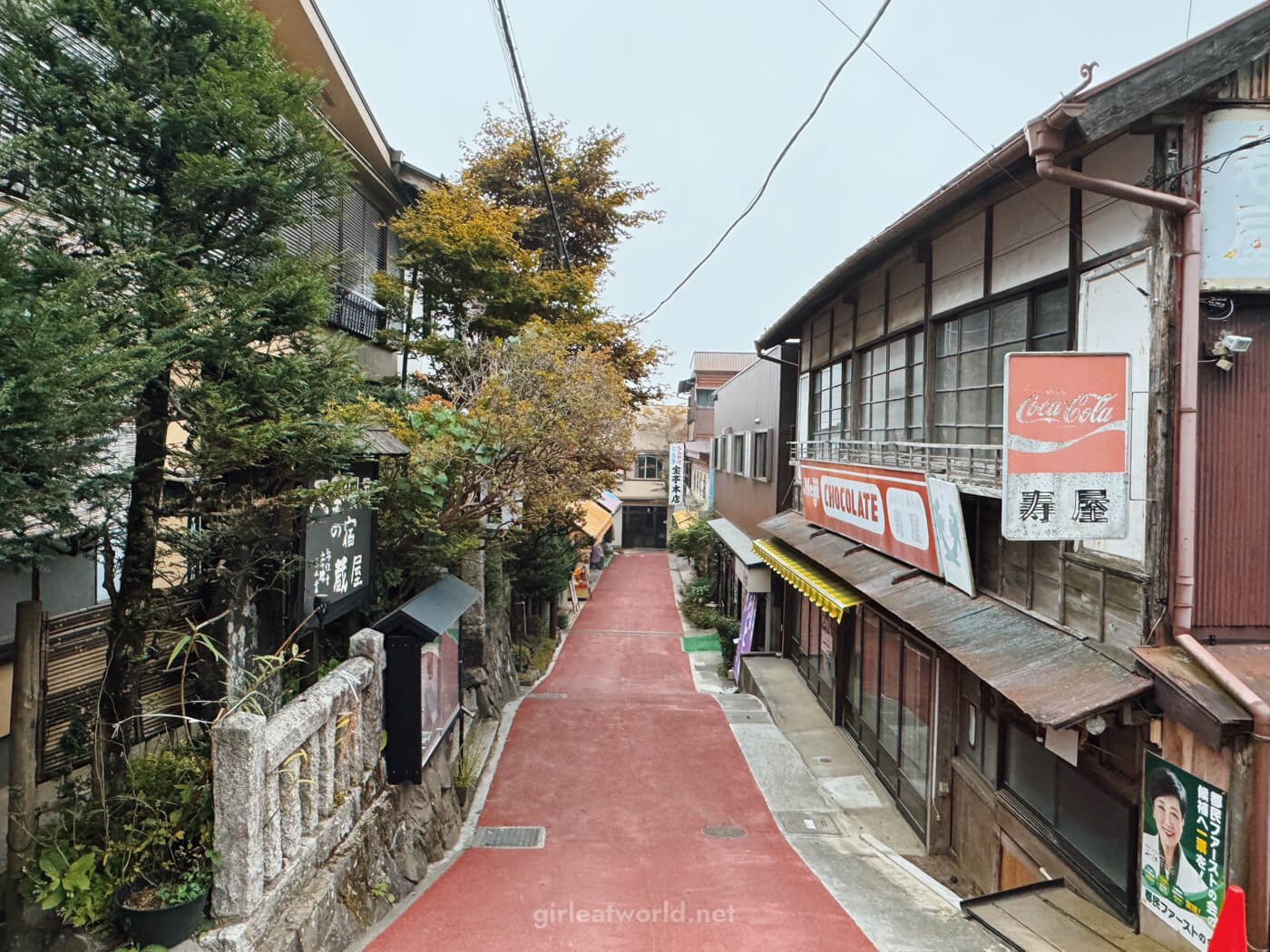
On the way, you’ll pass by a small town. It was pretty quiet when I was there as it was a bit rainy. There were almost no other patrons around.
Take note that there will be plenty of stairs to climb once you get to the shrine, so it’s not exactly the most accessible route. That said, it should be fine for most people.
3. Rock Garden Trail
On your way up the Musashi Mitake Shrine, pay attention to signs for the rock garden trail. It’s a calming hiking trail you can take back down.
7. Visit an Onsen (Hot Spring)
You can’t go to the mountain in Japan without visiting an onsen, and Okutama is no exception. Here are two onsens we visited:
First time visiting an Onsen? It might be intimidating at first, but going to an onsen is one of my favorite activities in Japan. Here is a post about onsen etiquette to help you.
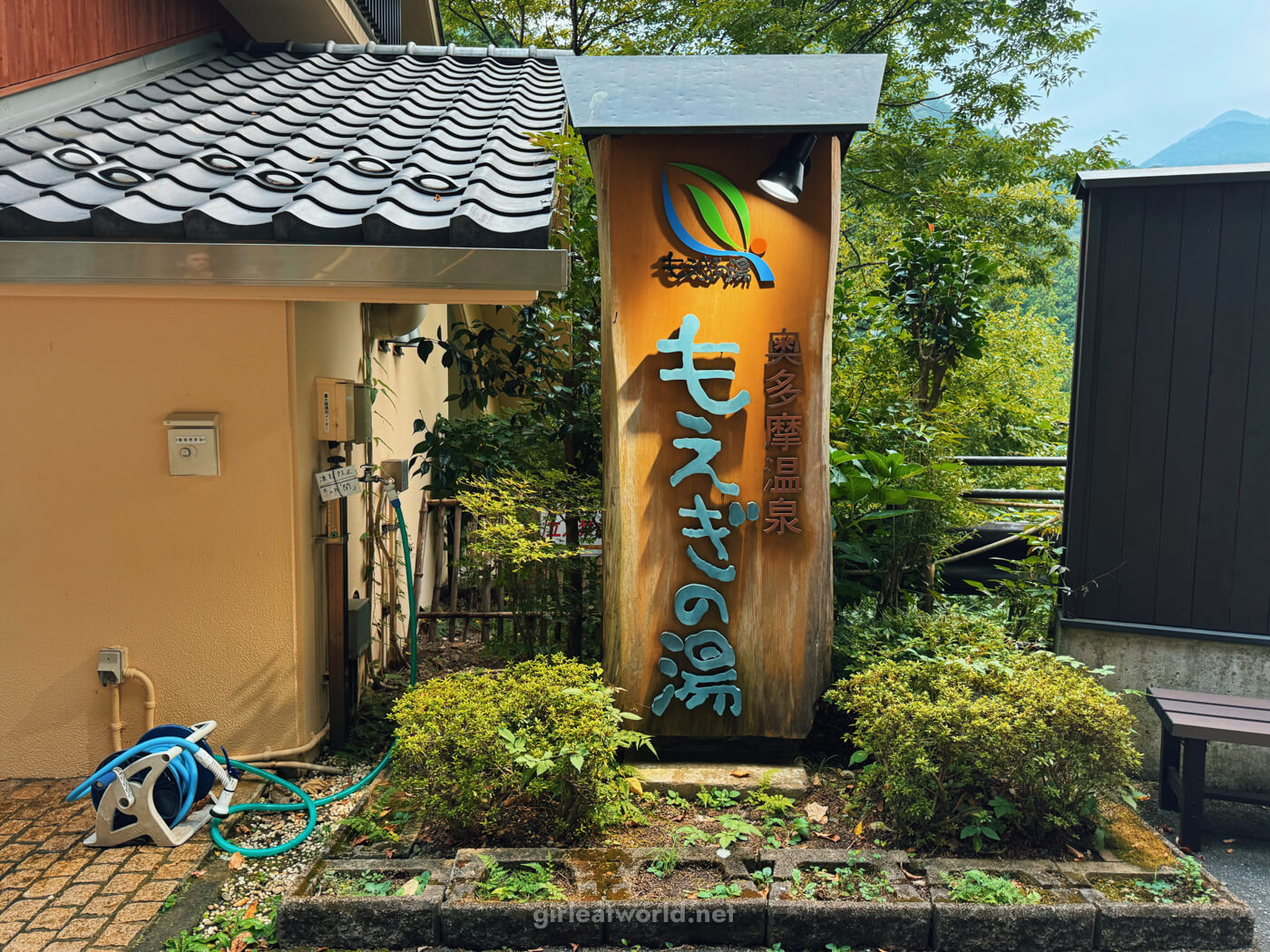
1. Moegi no Yu Onsen
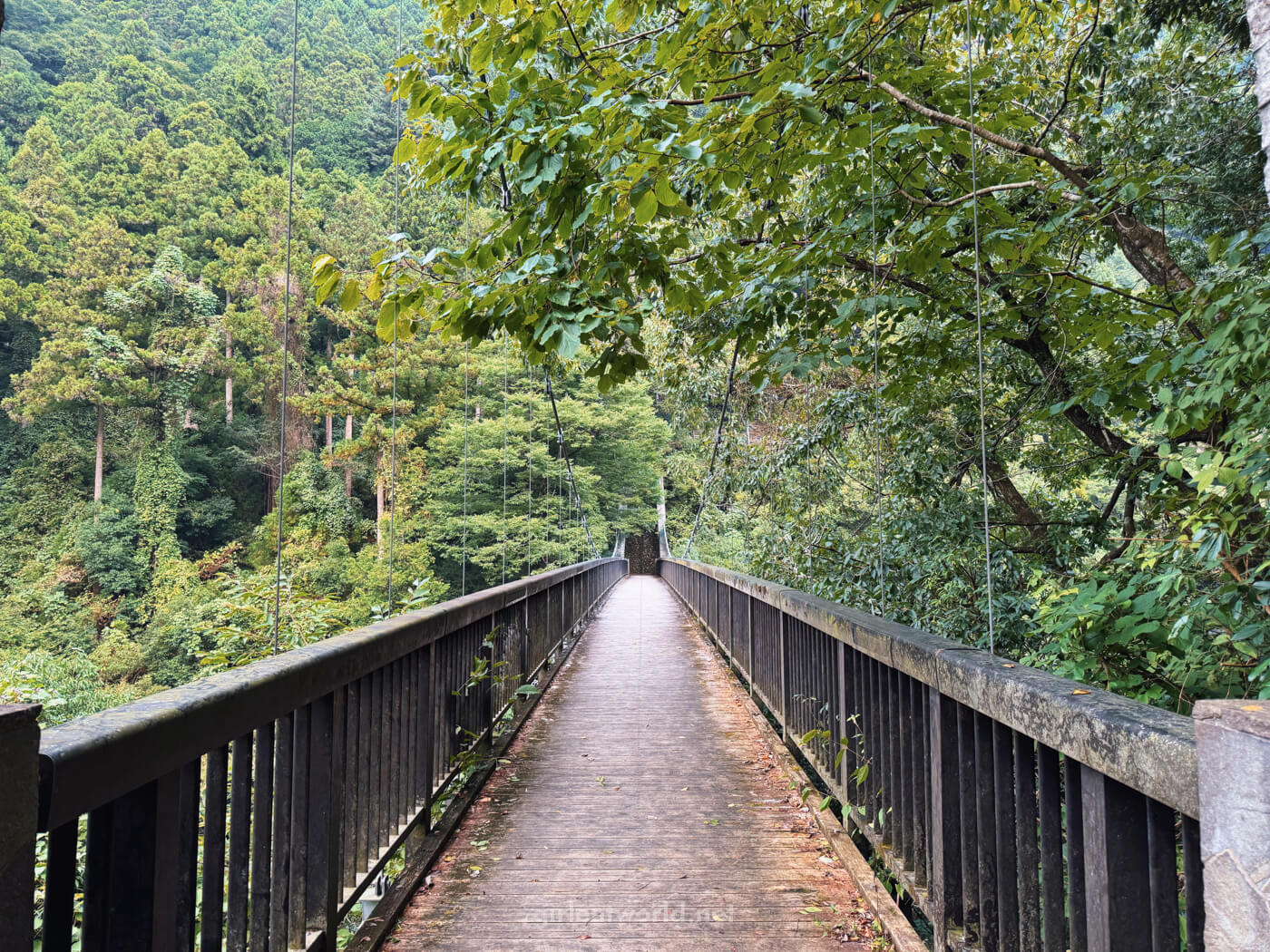
This onsen is very close to Okutama station – it’s within walking distance. To get there, you’ll need to walk past this old bridge over the Tama river:
Then the onsen is just a short walk from the bridge:
2. Tsurutsuru Onsen
Tsurutsuru Onsen is a little more difficult to get to than Moegi no Yu, but it’s bigger. The closest station is Miyanohira Station on JR Ome line. From there, you can take a 10 mins ride on Bus 26 to Tsurutsuru onsen.
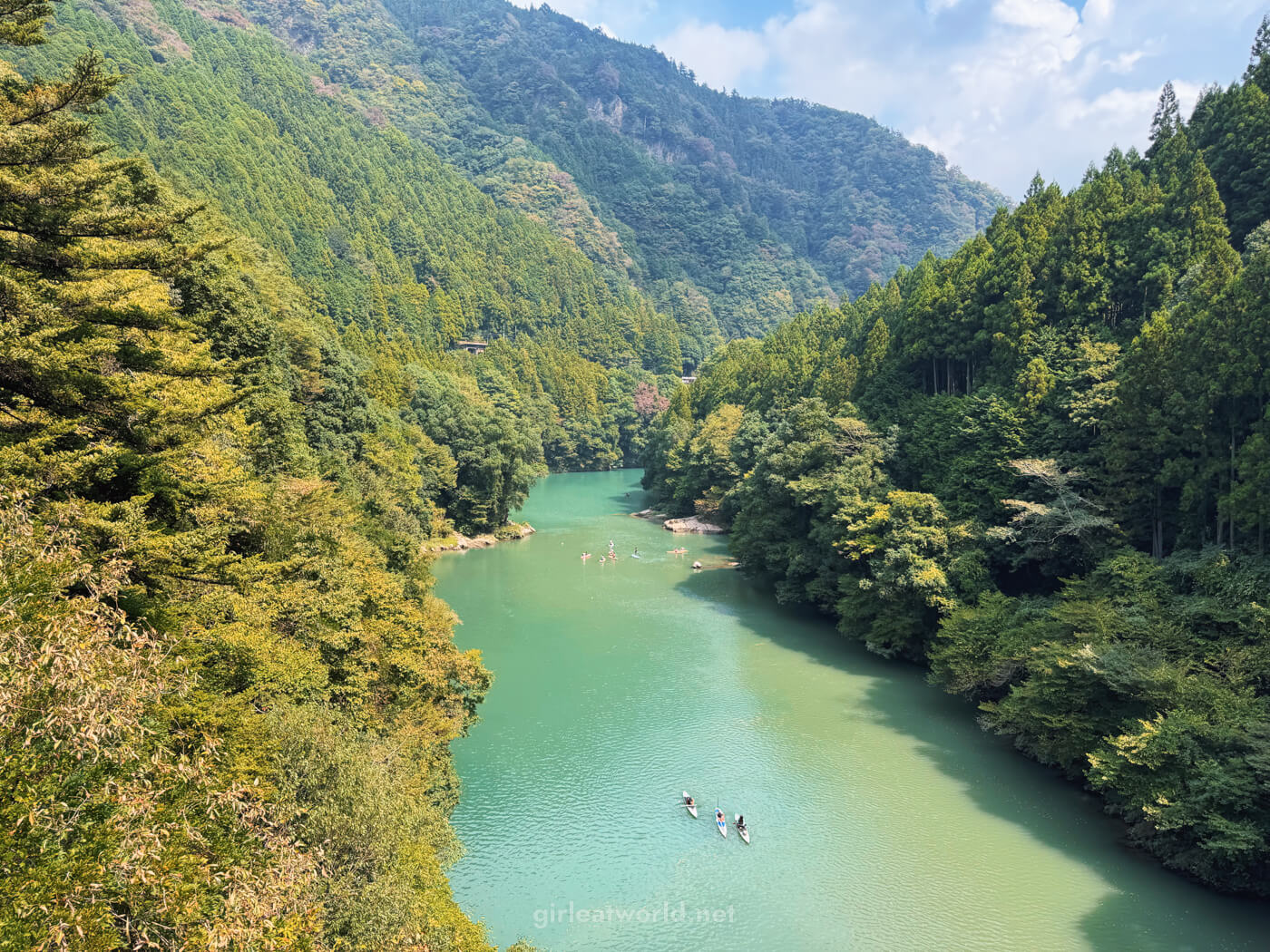
8. Play by the Tama River on Hikawa Gorge
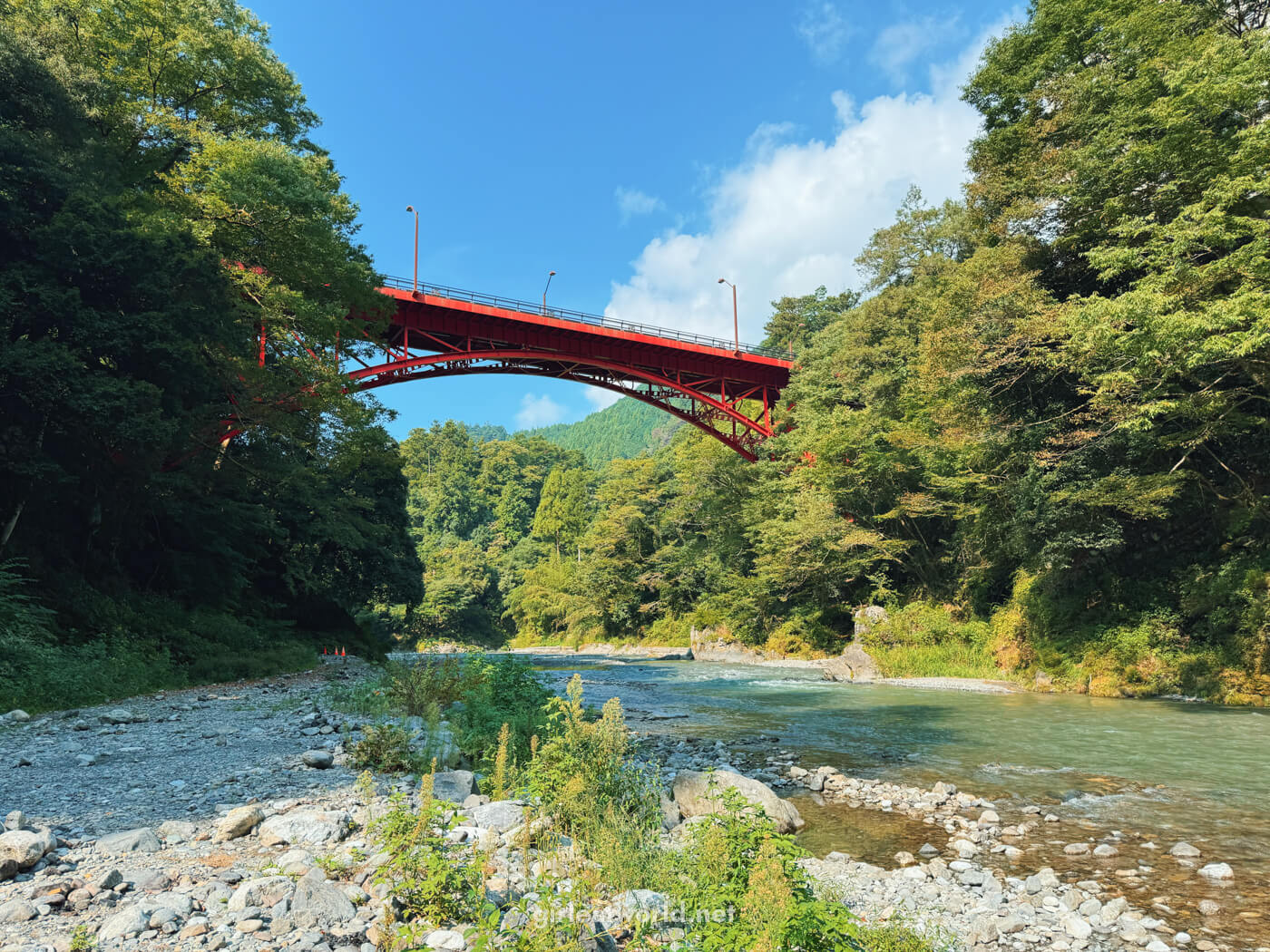
Near Okutama station, there is an area of the river called Hikawa Gorge where it’s mostly flat and accessible. Here, you can enjoy playing in the water or camping by the river via Hikawa Lodge.
Where to eat in Okutama
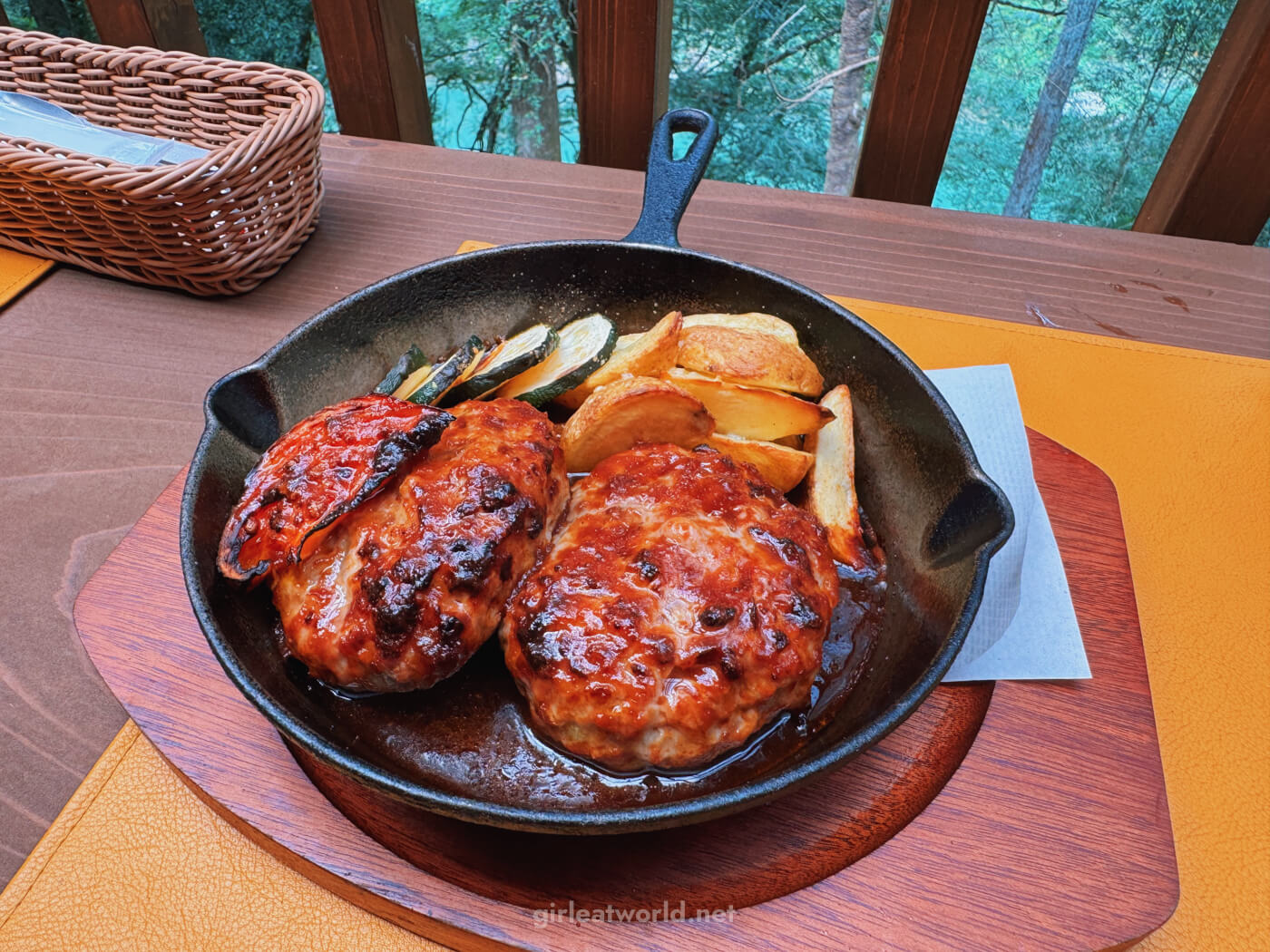
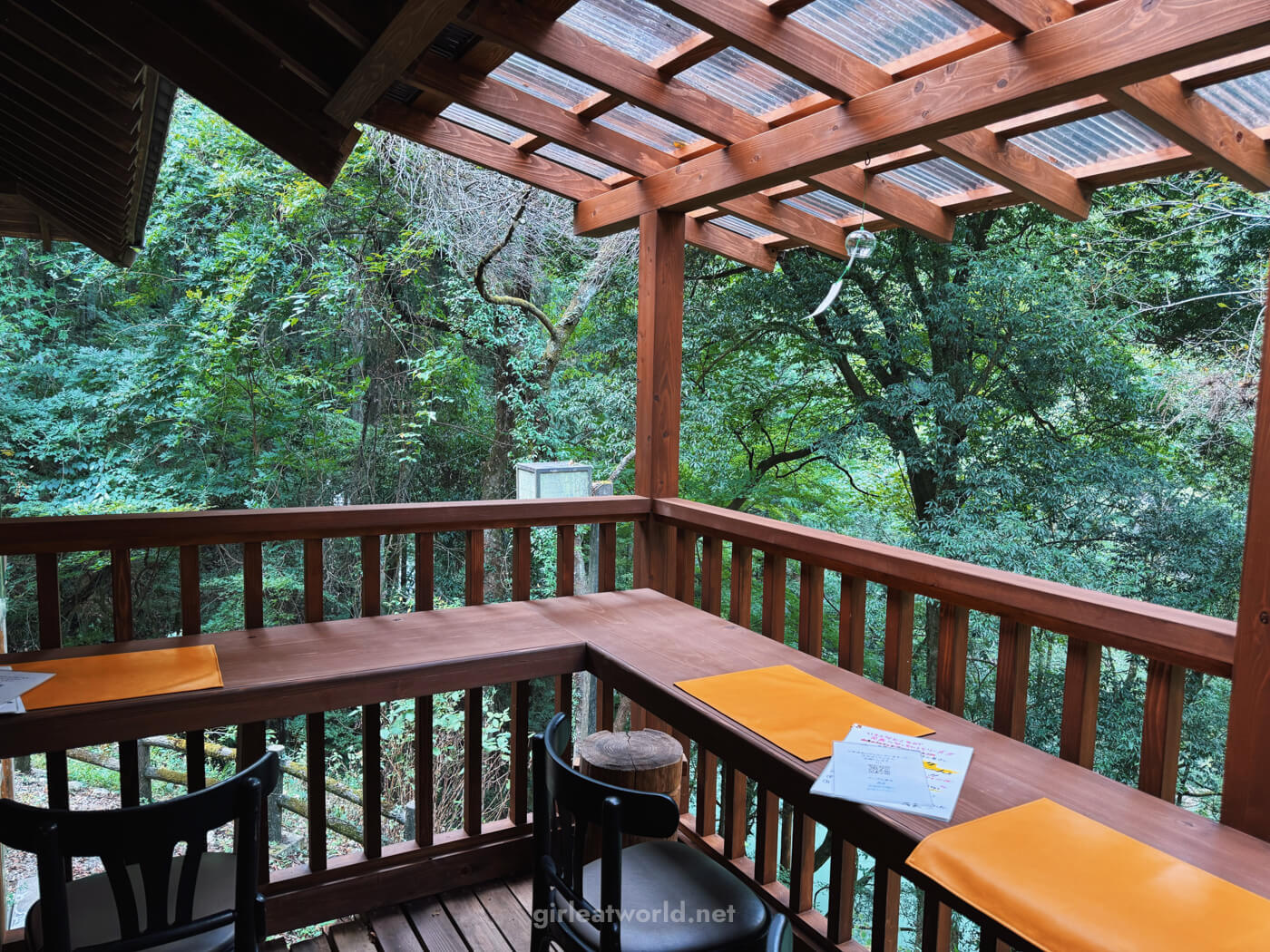
1. Earth Garden, specializing in Japanese Hambaagu (Hamburger)
The closest station is Shiromaru station on JR Ome line, but it’s possible to walk here from Okutama station as well.
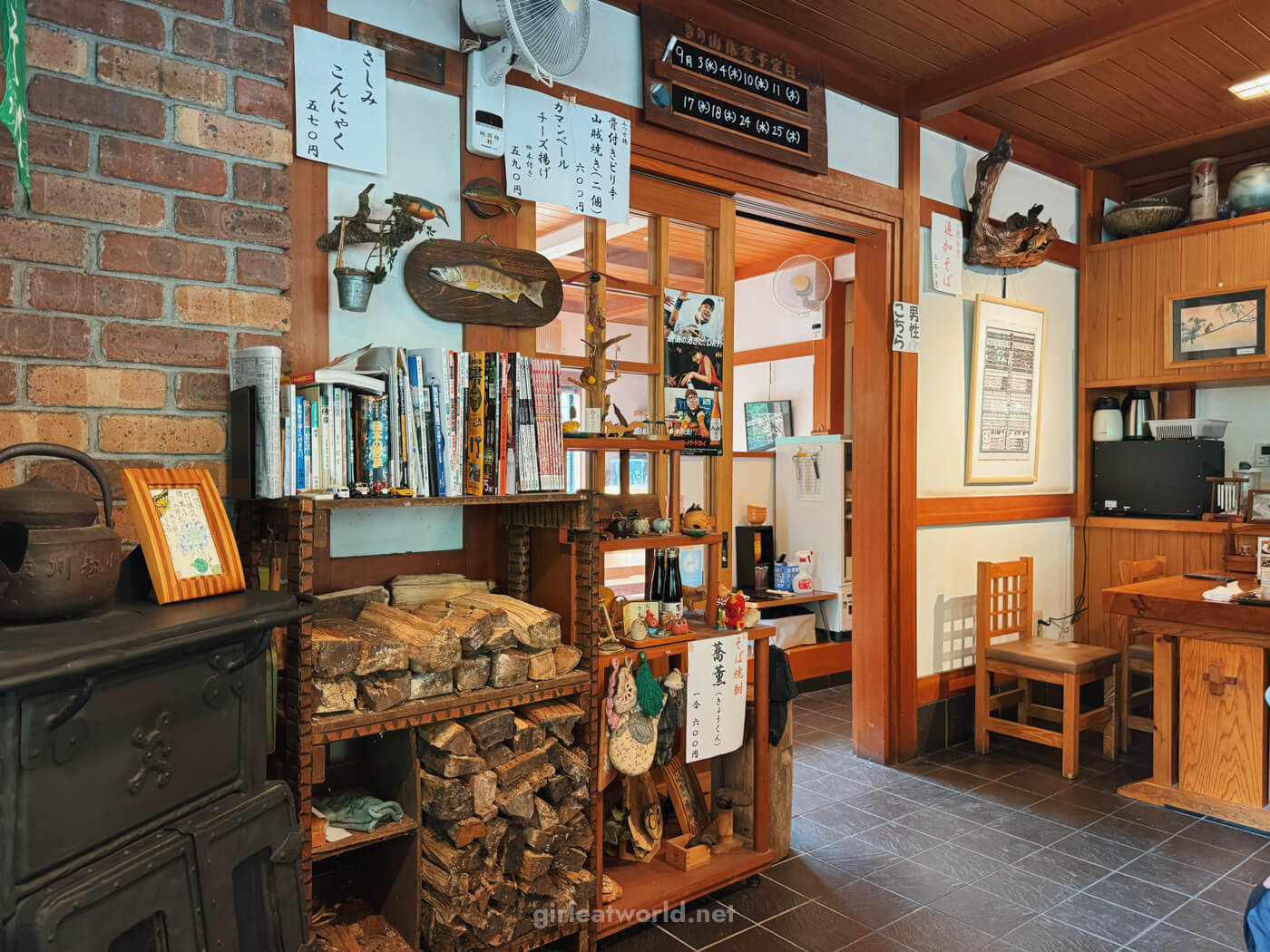
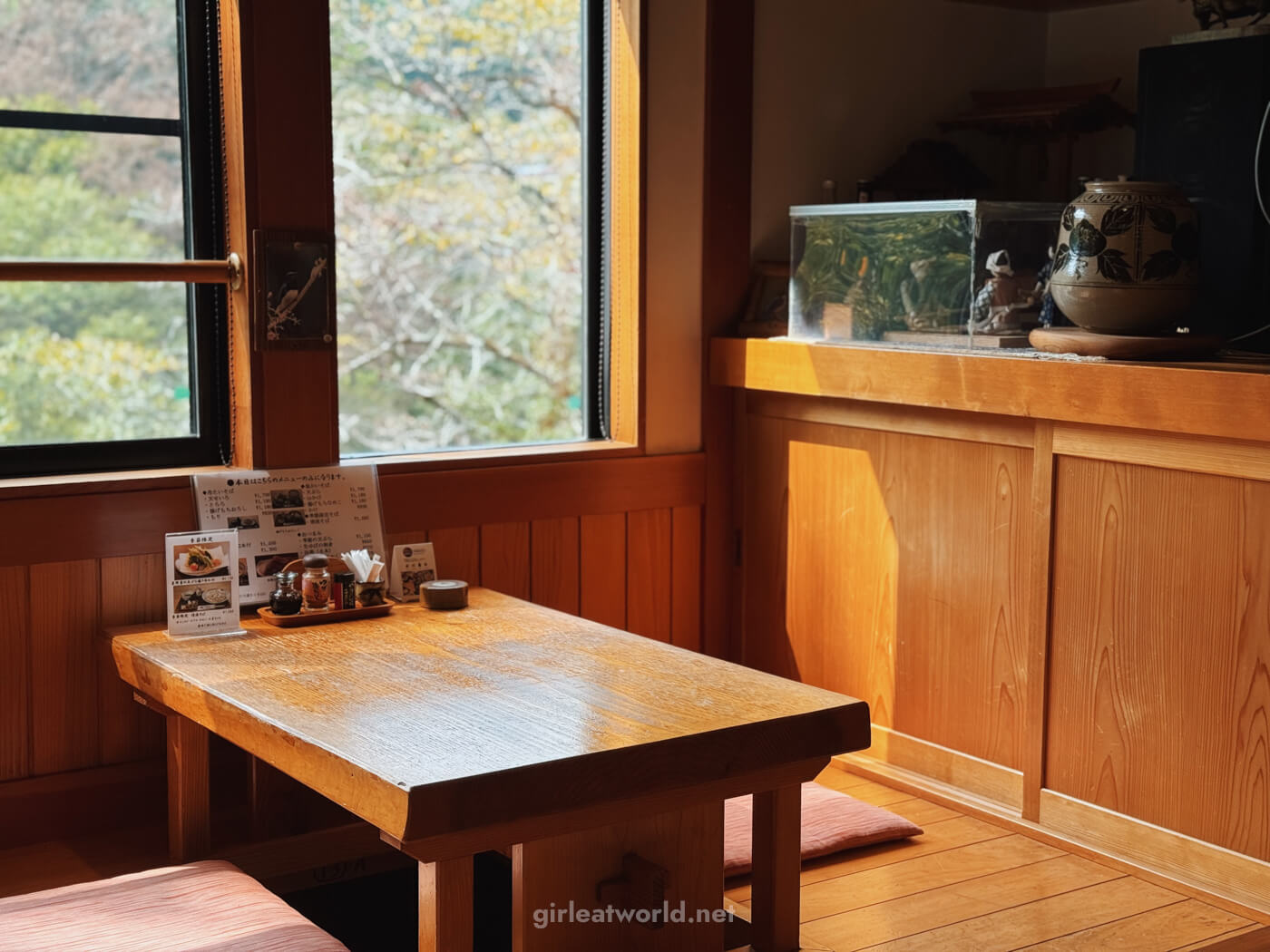
2. Kiriyama, a small shop specializing in Soba (Buckwheat noodles)
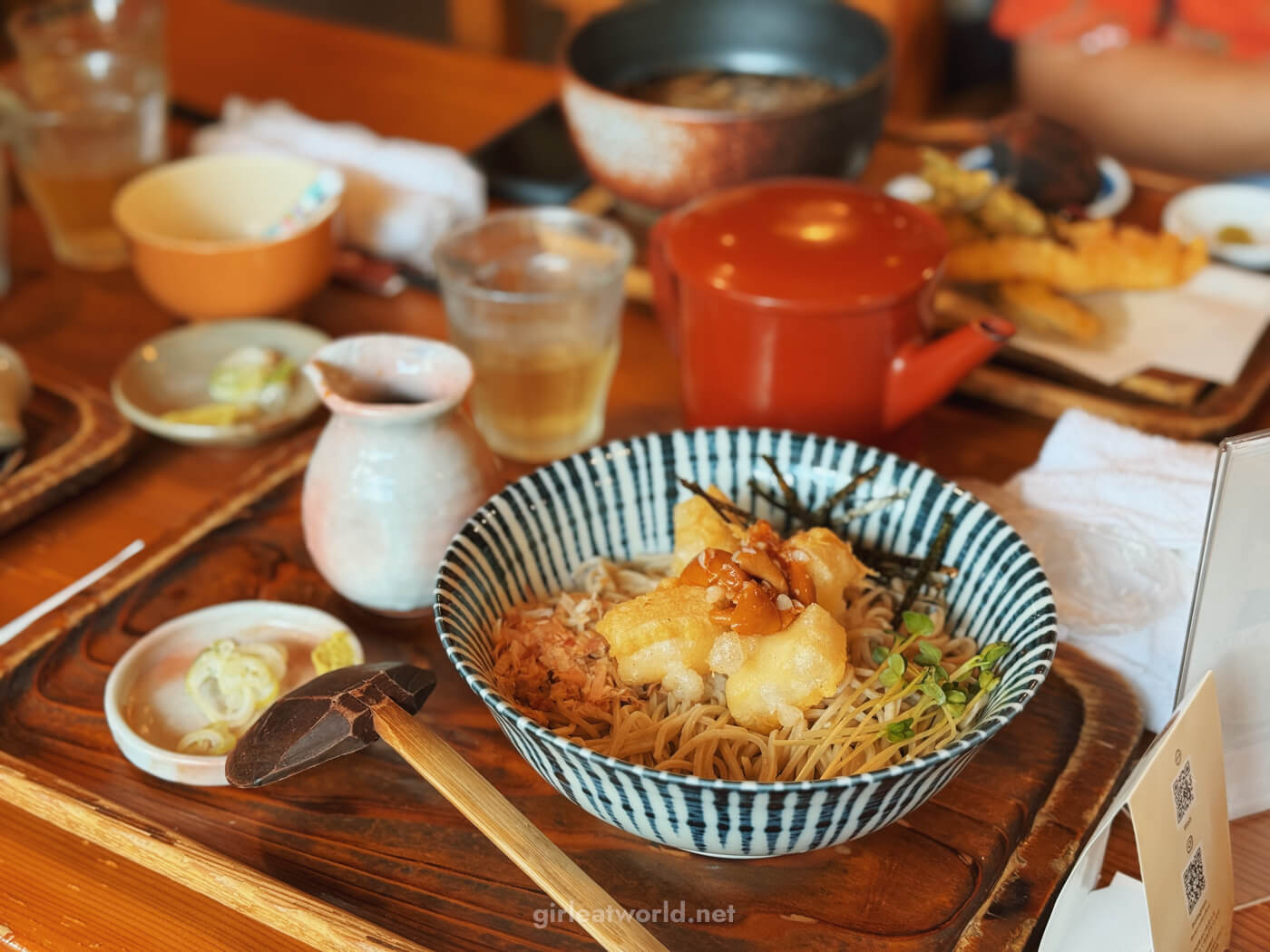
Kiriyama is about 12 minutes walk from Mitake station on JR Ome line. The shop only sells soba noodles. It’s not a big shop, but they have plenty of seatings.
And that’s all I have on Okutama! If you’ve used this travel guide or if you’re planning your trip to Tokyo or Okutama, please feel free to comment below with any questions. I will try to answer every comment.
Til next time.
Are you planning a trip to Japan? I’ve written loads about the beautiful country. Check out the ‘Japan’ category of this blog for some travel inspiration.